
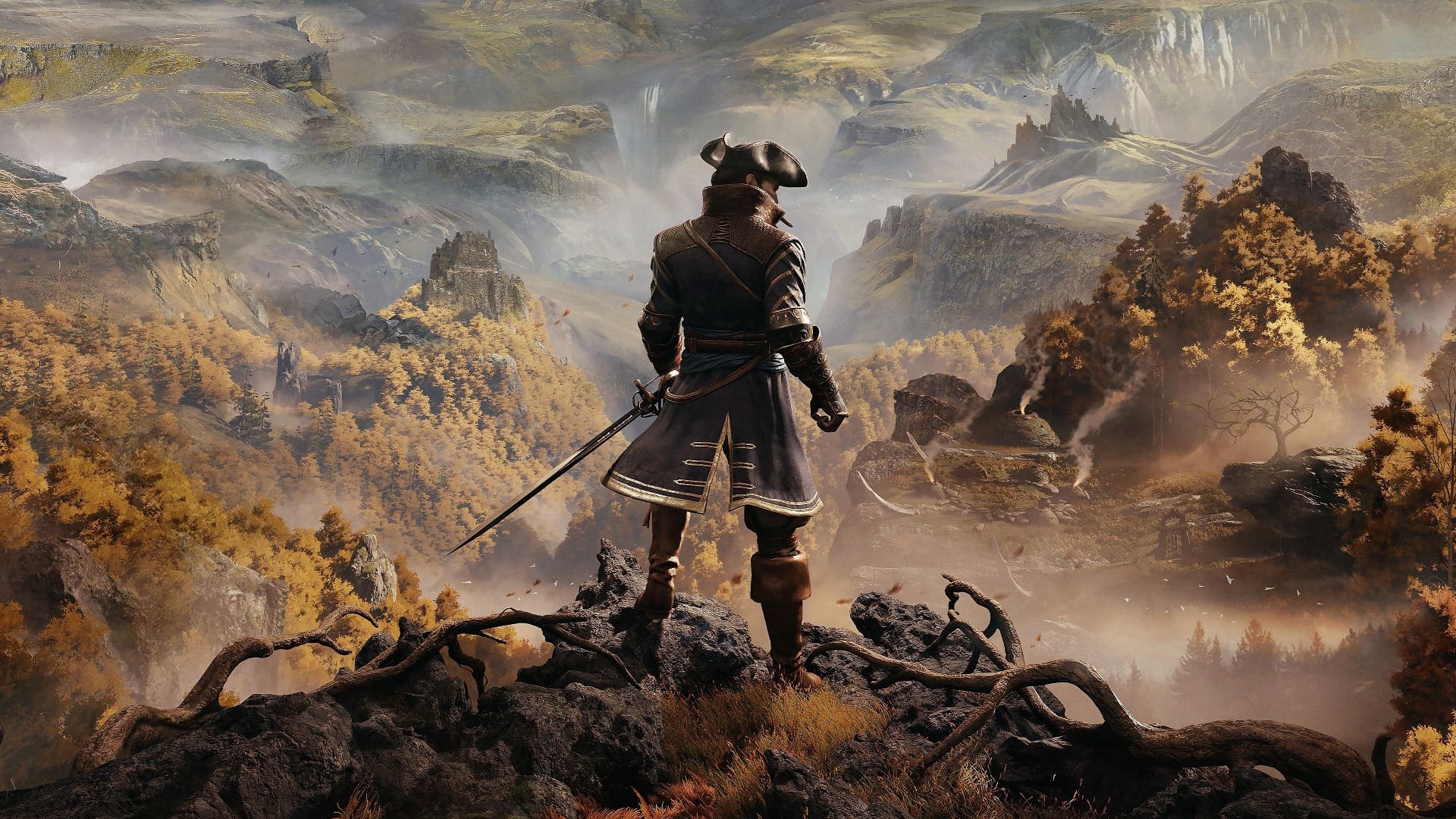

First look at GreedFall 2, a sequel that grows in scale and ambition.
More stories in the category Previews
- Get two games free today with Amazon Luna
- Xbox Game Pass: surprises with a new shadow drop and it’s a real blast
- Konami announces a new Silent Hill Transmission with Townfall news this week
| Don't miss anything and follow us on Google News! |
We’ve had the chance to try out GreedFall 2 thanks to Nacon España, and the first thing that stands out is how clear the studio is about where they want to take the saga. This new installment doesn’t just limit itself to recovering what was seen in the first title: it bets on a broader, deeper, and above all, more personal approach. The game, currently available in Game Preview on Steam, already gives a glimpse of where its final version is headed.
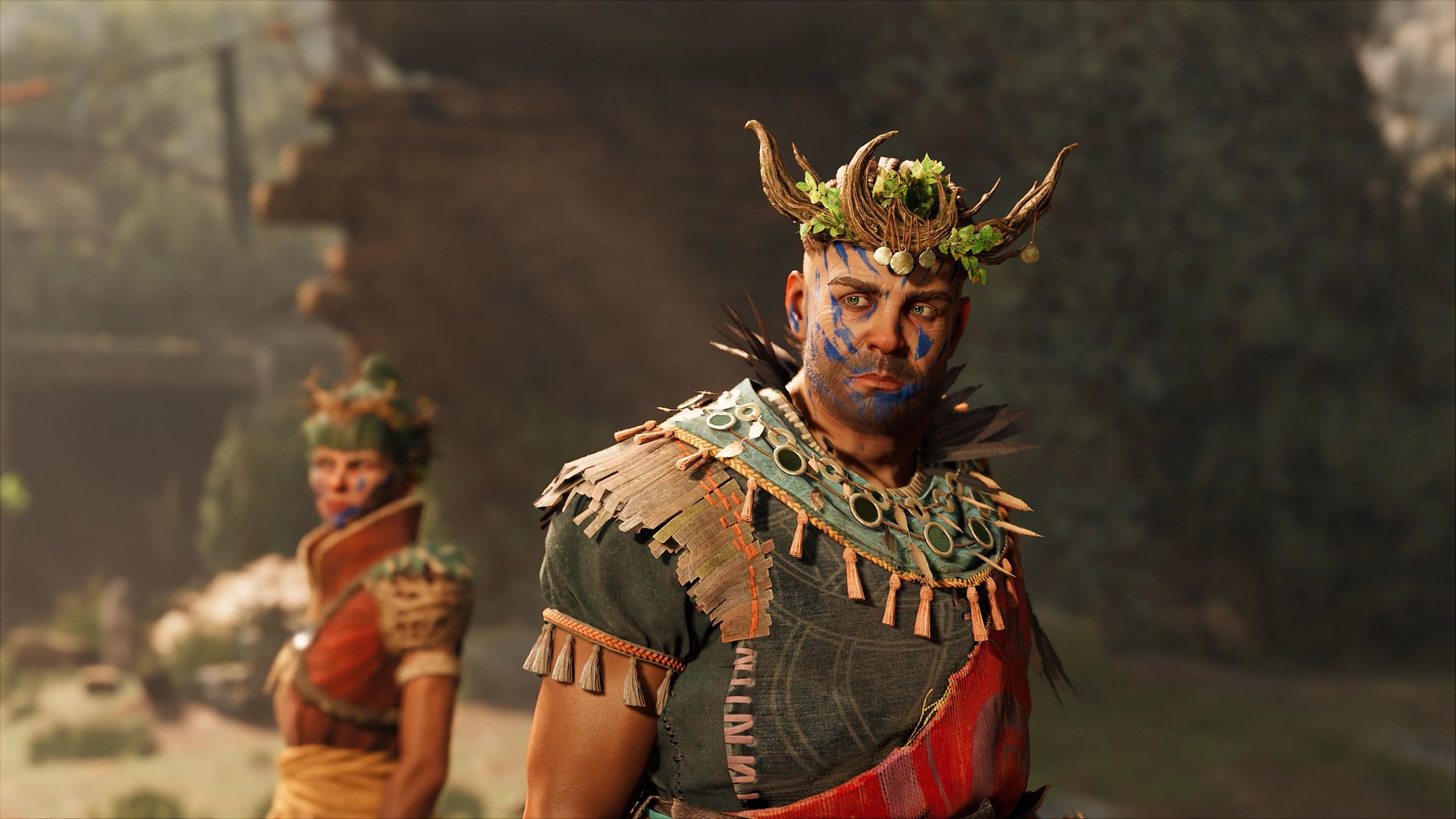
When I first sat down to play GreedFall 2, I did so with a mix of curiosity and eagerness to see how far Spiders had decided to evolve what they built in the first game. For me, the experience was completely new, even though the game is available with early access on Steam, I hadn’t tried it until now. I found myself in a simple initial scene, without great deployments or spectacular cinematics, but enough to give me the feeling that there was something different here.
- The protagonist, a native of Teer Fradee, starts the adventure with a vulnerability that feels more human and more down-to-earth, without artificialities. He’s a character who doesn’t start with power or recognition; he starts with fear, confusion, and the frustration of having been torn from his home.
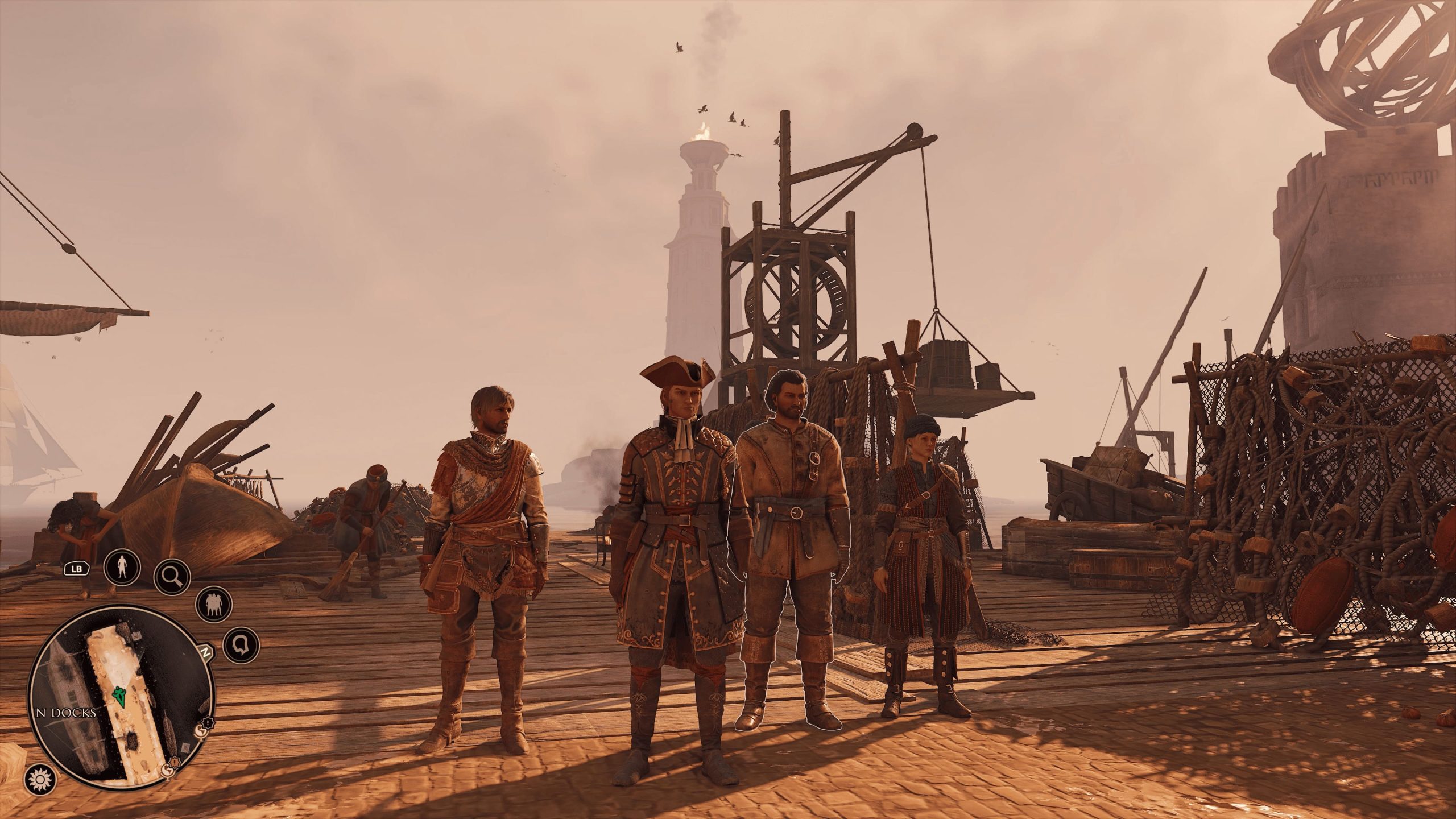
- What first caught my attention was the way the game builds its gaze on the Old Continent. The arrival in Gacane is not an epic moment; it’s almost uncomfortable. As you walk through its streets, you notice that nobody wants you there. The mix of crowded markets, narrow alleys, and houses that seem about to collapse creates an atmosphere that affects you more than you expect.
The setting also seeks to convey that sense of constant cultural shock. We’re in a place that’s strange for the protagonist: huge, sick, full of internal tensions and with a population that lives trapped between poverty, crime, and crumbling political structures. You don’t need to play much to see that the studio’s goal is to show a broader, more fragile, and more divided world than in the first installment.
A city that shows its worst face from the start
The official description of Gacane already makes it clear that it’s not a welcoming place. It talks about crowded streets, decadent areas, and a social atmosphere that pushes the character to feel out of place. That kind of environment fits well with the evolution that Spiders wants for this sequel: a more living, harsher space where the protagonist’s identity matters more than ever.
That initial tone of helplessness is one of the things that best defines what GreedFall 2 aims for: putting the player in front of a world that doesn’t welcome them with open arms.
Companions with real weight in the adventure
Companions not only accompany us, but they can also react to our decisions. While specific behaviors haven’t been detailed, it’s known that relationships can lead to friendship, romance, or even rivalry. That more personal approach makes sense with the type of journey the story proposes: it’s not just about advancing, but building bonds that influence both combat and the journey itself.
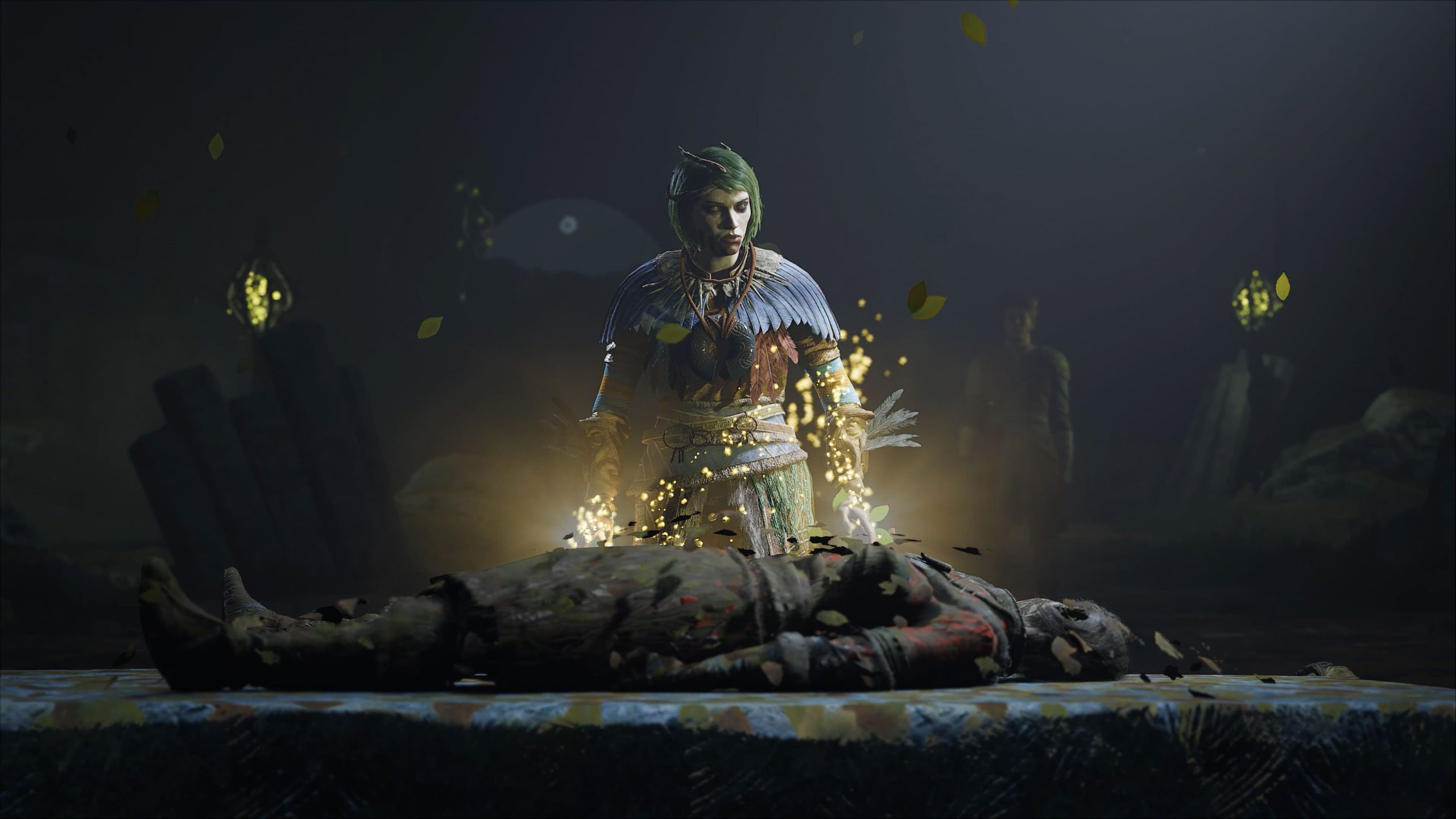
The most interesting thing is that the game will allow controlling companions during battles. We don’t yet know the exact level of depth, but it’s clear that Spiders wants to give them more prominence and turn them into something more than just simple supports.
A larger and more varied world
Nacon itself has confirmed that the sequel will take us to new regions:
-
The Star City of Olima
-
The coasts of Uxantis
-
The Deutano Empire
While deep details of each design haven’t been shown, it’s clear that the intention is to offer new areas unlike those in the first title, each with its own cultural tone, internal conflicts, and factions fighting for power.
That approach promises a broader and more varied world, where moving between territories won’t just be a visual change, but also social and political.
A more flexible advancement system
- Improvements in customization, more abilities, and a system of options that allows tackling problems through cunning, diplomacy, or force.
New regions that feel alive
Traveling through the new regions also left me with very good impressions. Olima is a city that impresses from afar, but when you enter its streets, you understand why it’s called the Star City. Its buildings have a special shine, and although I could only explore a part, it seemed like a place full of stories and secrets.
- Uxantis, on the other hand, has a wilder, more unpredictable air. I remember walking near a cliff when an unknown creature came out of some bushes. It wasn’t a difficult fight, but enough to make me understand that you can’t let your guard down there.
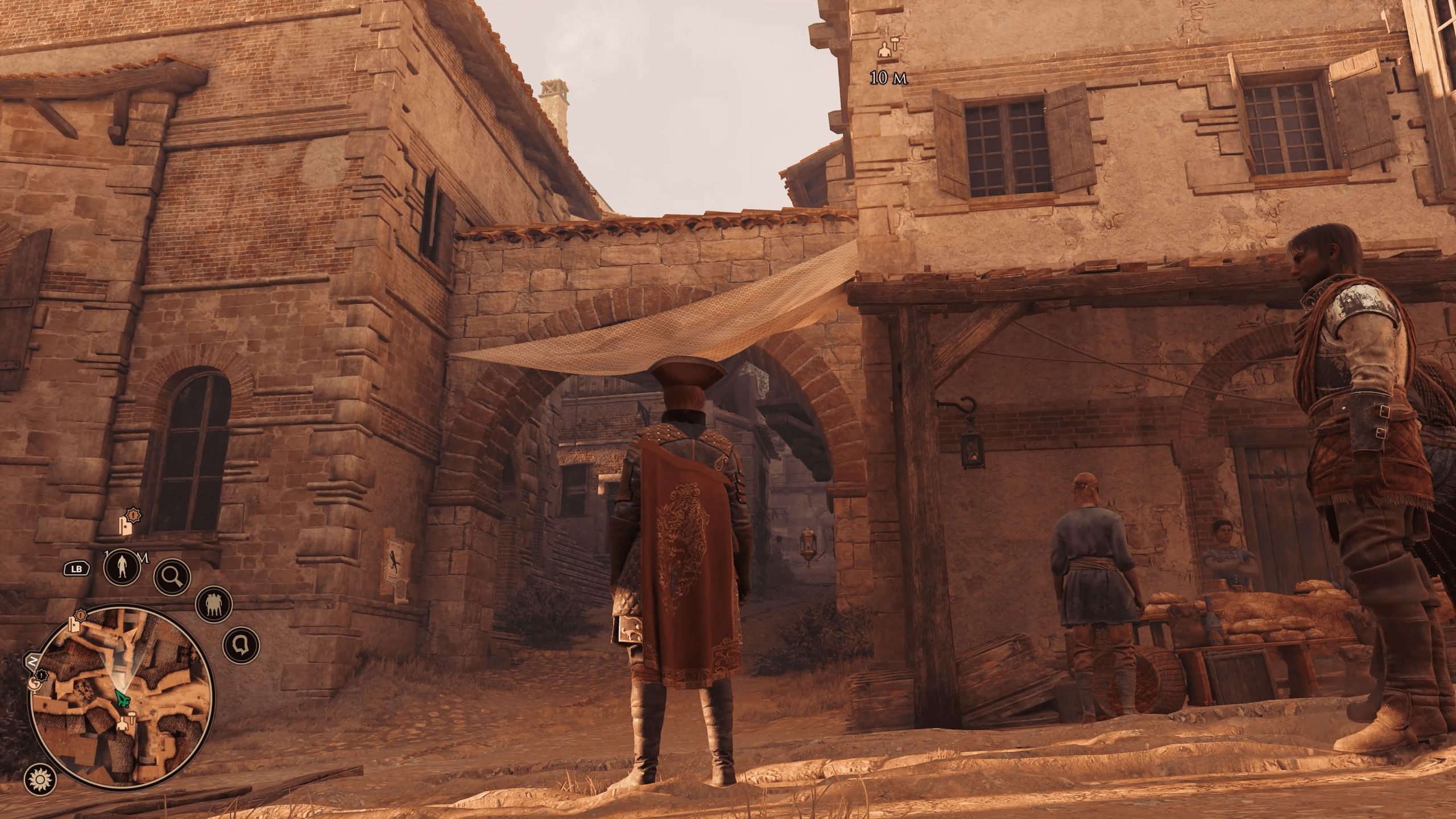
The Deutano Empire was perhaps the place where I most noticed the leap the sequel is trying to make. It has a harsh aspect, where you feel that everyone is measuring every word. In one of the camps, a soldier asked me to prove I wasn’t a threat. The test consisted of completing a simple task, but the way the mission was presented allowed me to talk to several characters who gave me hints about their culture. I left without having learned anything crucial to the story, but with the feeling of having passed through a place that exists beyond my presence.
More fluid and less rigid combat
As for combat, it’s clear that the studio is working to make it more dynamic. There are still elements to polish, but a more natural flow is already appreciated. One thing I liked a lot is that the confrontations seem less rigid than in the first game.
- The hitting responds better, and the companions’ abilities truly serve to create a minimal strategy without needing to complicate things. It still isn’t a system designed for those seeking total chaos, but for those who want each battle to have a small touch of preparation.
A protagonist who evolves according to your style
I also tried part of the protagonist’s customization system. The skill tree is more flexible, and from the start, it allows you to mold your style without getting trapped in a single role. I opted to combine diplomacy options with some mobility improvements, which made my first confrontations more about dodging and choosing when to hit. It’s not a complex system, but it’s appreciated: from very early on, you already notice that you’re making decisions that affect how your character plays.
First hours that leave a mark
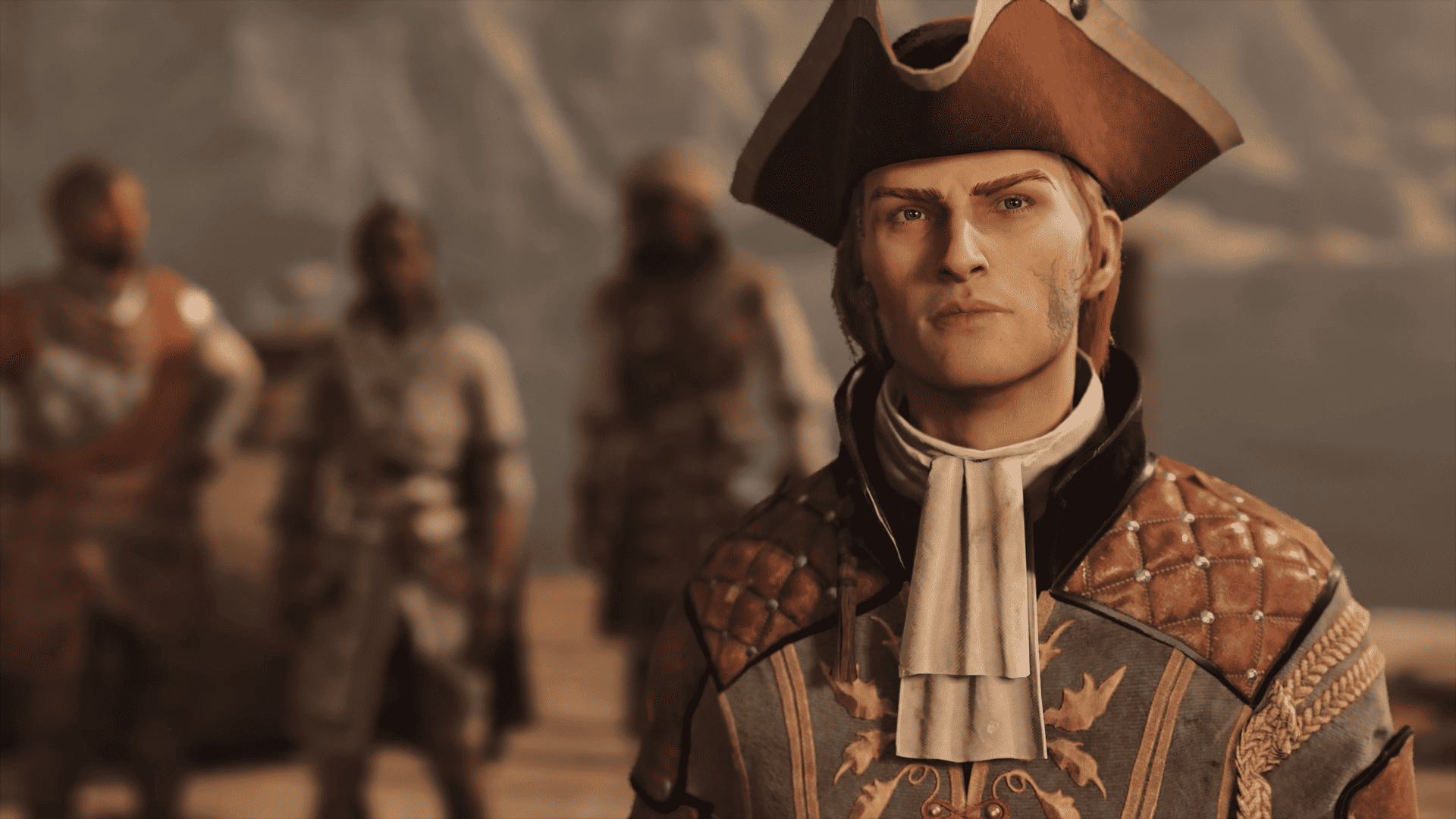
Overall, the feeling that this first contact leaves me with is that GreedFall 2 wants to grow without losing its essence. It wants to tell a more intimate story, show a larger world, and give more weight to the player without falling into unnecessary complications. The base is good, the setting is suggestive, and the more personal tone suits it wonderfully. There are still elements that need time (some animations, the balance of certain enemies, secondary missions that seem half-baked), but within what’s expected in this type of development.
A sequel with much to say
Perhaps the most important thing is that it leaves you wanting to return to that world, to continue discovering new regions, and to find out how the protagonist changes as they find their place. If the final version manages to maintain this course, we could be facing a sequel with much to say.


Founder and editor of SoloXboxOne and Generación Xbox. He is also one of the owners of the GX Group, Samsung Universe and the Reflotes forum. Adrian has reviewed over 200 games on the web and has an average score of 85 according to Opencritic. Among his expertise as a writer and analyst, he has interviewed Microsoft personalities and participated in private gaming events.
Related Post