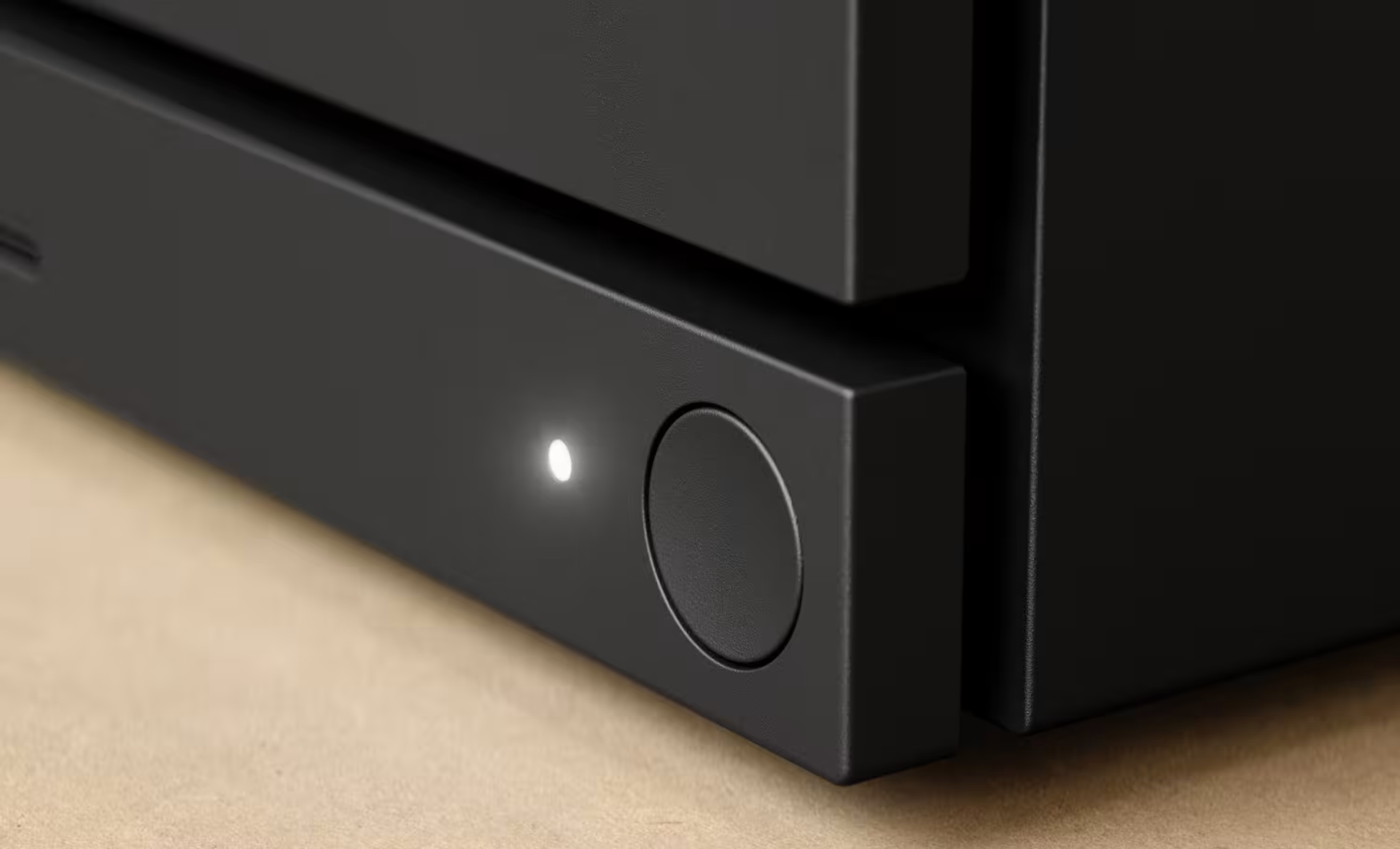

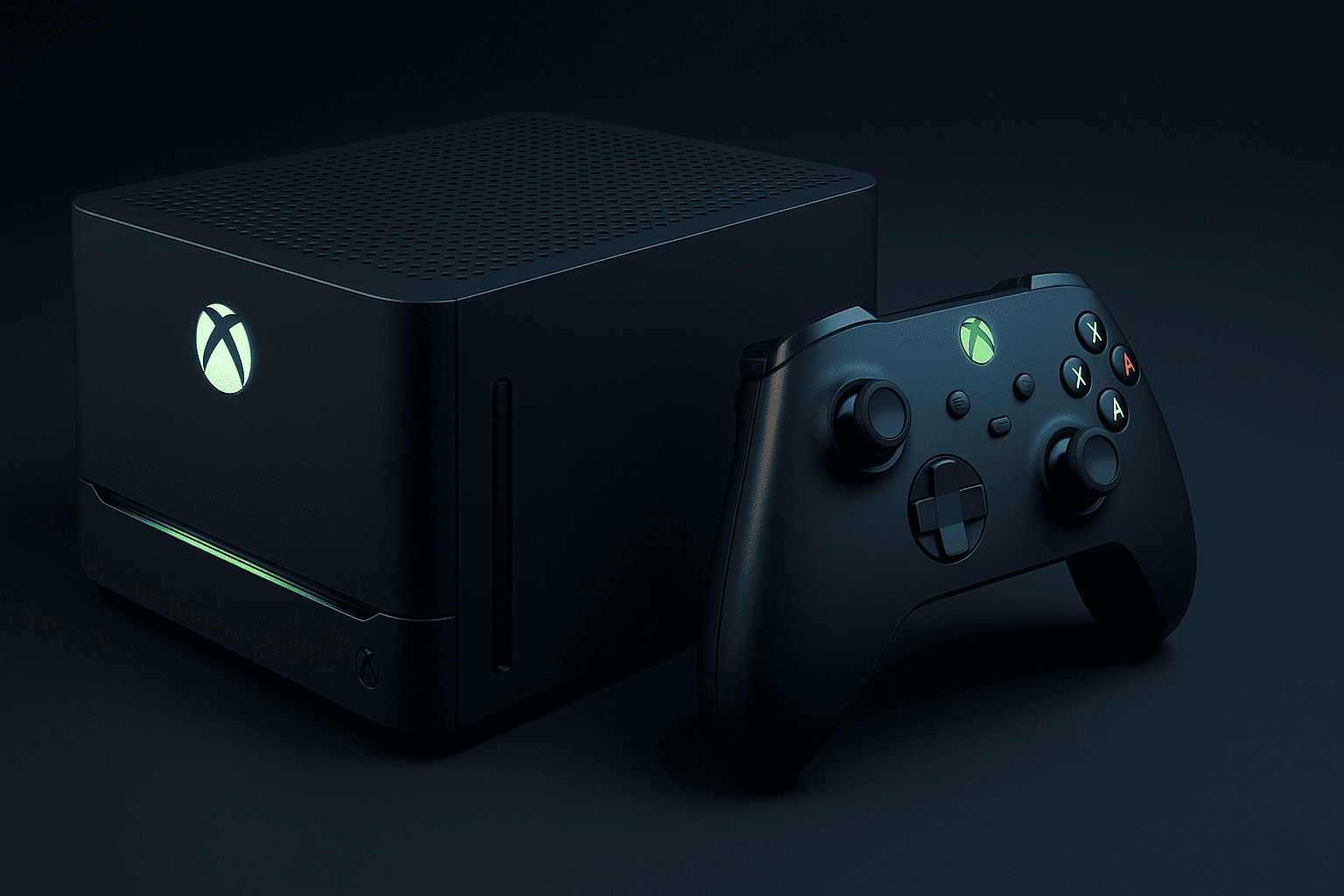

Microsoft is preparing a next-generation Xbox that is more open, flexible and closer to the PC ecosystem.
More stories in the category News
- Valve confirms that Steam Machine will arrive in 2026
- Xbox prepares its first Dev Summit at GDC 2026 with sessions on the future of the console
- Echoes of Aincrad, a new action RPG of Sword Art Online
| Don't miss anything and follow us on Google News! |
Over the past few months, an idea has been gaining momentum within the industry: the next generation of Xbox won’t be a traditional console as we’ve known it so far. Microsoft is reportedly preparing a significant leap towards a model much closer to a PC, both in architecture and usage philosophy.
This isn’t an isolated rumor. Journalists and analysts with a good track record, such as Jez Corden, agree that the company wants to break down the barriers between consoles and computers once and for all, betting on a Windows-based system capable of running PC games natively, without giving up on full compatibility with the current Xbox catalog.
A next-gen Xbox designed as a platform
The idea hovering over Redmond is clear: turning Xbox into a universal platform, not a closed device. This would allow the next machine to run PC games, Xbox ecosystem titles, and services like Game Pass or cloud gaming without friction, all from the same environment.
This move fits with the strategy Microsoft has been building for years: Xbox Play Anywhere, the growing importance of PC Game Pass, the expansion of cloud gaming, and the arrival of devices like ROG Ally with Xbox DNA. The console would cease to be the absolute center, becoming just one piece within a much broader ecosystem.
Beyond Xbox
The big question is inevitable: will Xbox consoles continue to exist as such? Everything points to yes, but with a very different concept. More like a living room PC optimized for gaming, easy to use, but open to possibilities.
- This change doesn’t only affect Microsoft. Sony also seems to be exploring similar paths, with persistent rumors about a portable PlayStation that would coexist with the PS6 under the same ecosystem. The industry as a whole appears to be moving away from the classic model of closed generations.
Looking back, many agree that Xbox 360 was Microsoft’s last “classic” console. Since then, the focus has shifted from hardware to services. That may evoke nostalgia, but it also opens the door to a future where gaming isn’t dependent on a single device.
The next Xbox won’t mark the end of the console… but the beginning of something much bigger.


Founder and editor of SoloXboxOne and Generación Xbox. He is also one of the owners of the GX Group, Samsung Universe and the Reflotes forum. Adrian has reviewed over 200 games on the web and has an average score of 85 according to Opencritic. Among his expertise as a writer and analyst, he has interviewed Microsoft personalities and participated in private gaming events.
Related Post