

The last technical review confirms that Series X offers a solid experience, while Series S receives significant cuts.
More stories in the category News
- Is GTA 6 expensive, the price continues to generate debate among players
- Fable could be delayed if it coincides with GTA 6, according to a new rumor
- Hogwarts Legacy 2 could be closer: Avalanche makes a move
| Don't miss anything and follow us on Google News! |
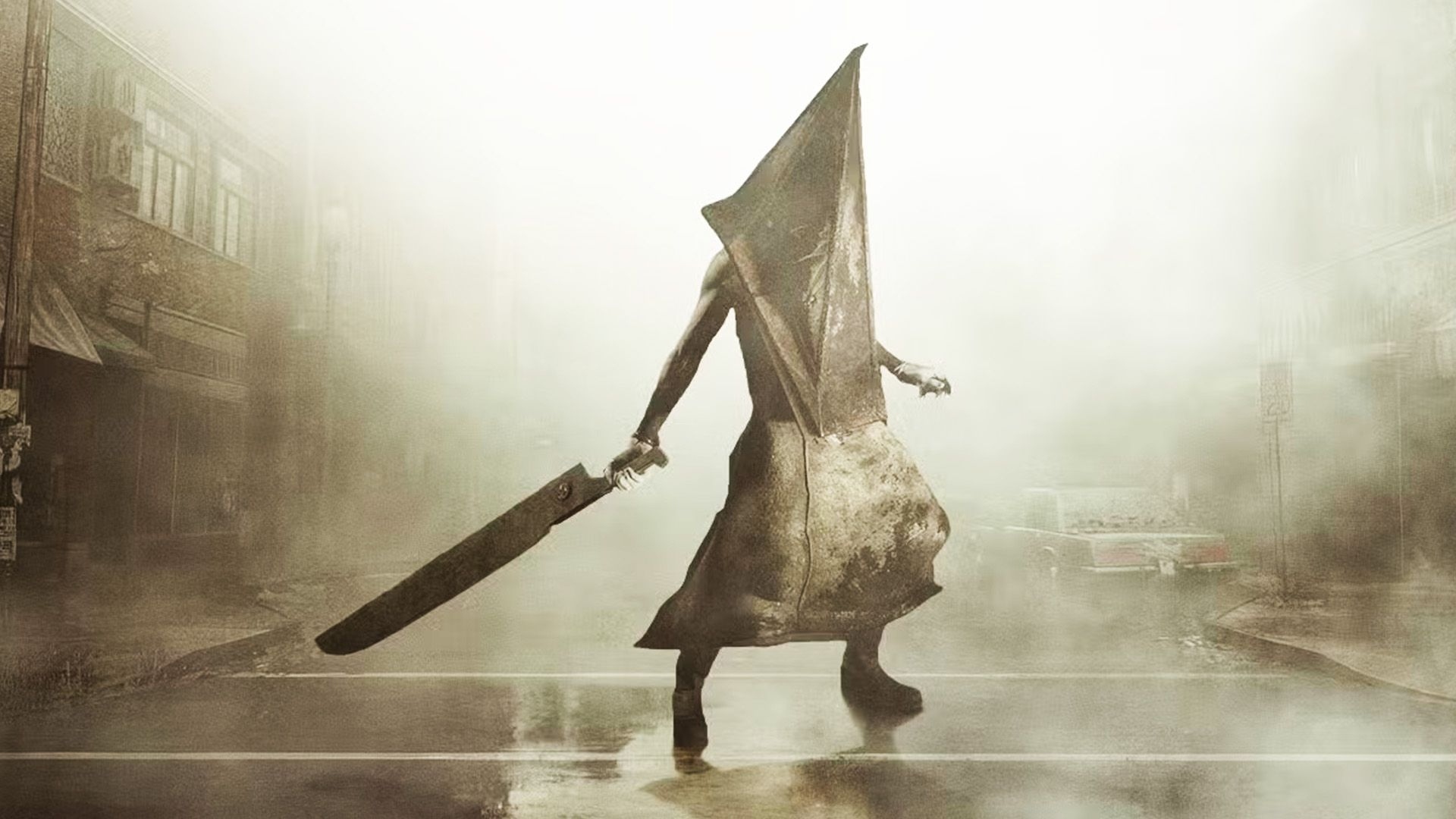
The arrival of Silent Hill 2 on Xbox has allowed for an in-depth review of how the game performs on each console. The latest technical analysis makes it clear that the two machines are not in the same league, and that the experience varies significantly depending on the hardware. The Series X version, as expected, holds up well and is very close to what’s seen on other platforms, while the Series S edition takes a more restrained approach to preserve the game’s characteristic atmosphere.
On the more powerful Xbox console, the game runs smoothly, with the confidence that comes with having the margin to offer differentiated image modes and stable performance. In contrast, Microsoft’s digital and economic model has to sacrifice several options to ensure stability, giving up visual elements and maintaining a single 30fps mode.
Performance and Visual Settings in Silent Hill 2 on Xbox Series
On Series X:
- On Series X, the game features two modes that work well with the console. The quality mode locks the image at 30 FPS and uses dynamic resolution between 1224p and 1512p, with stable smoothness and occasional variations when navigating complex areas or intense effects. The performance mode, on the other hand, aims for 60 FPS with a resolution that moves between 864p and 1152p, maintaining levels similar to those of the base PS5 version. The result is a coherent experience that takes advantage of the system’s power with precision.
On Series S:
- Series S, in contrast, is left with a single option: 30 FPS mode and fixed 1280×720 resolution. There is no dynamic scaling, and the reduction in Lumen effects is evident. Reflections show a constant flicker, and visual accuracy on wet surfaces or wood decreases significantly. Texture, geometry, and tessellation cuts are also noticeable, clear signs that the goal is to maintain the game’s atmosphere without compromising stability.
With such marked differences, the Series X version stands out as the most recommended within the Xbox ecosystem, while the Series S version seeks a balance between performance and aesthetics. A disparity that we’ve seen in other releases, but which stands out especially here due to the importance of lighting and fog in the game experience.


Lover of videogames, Xbox, Halo and Gears of War.
Related Post