

Yakuza Kiwami 3 & Dark Ties celebrates the 20th anniversary of the saga with a very careful remake and an unprecedented story that brings a new look to the yakuza world.
Take a look at these other reviews
- Review of I hate this place – Terror with love for the 80s
- MIO: Memories in Orbit review – A gentleman metroidvania with a French seal
- Review of Marvel Cosmic Invasion – The legends return with the perfect blend
| Don't miss anything and follow us on Google News! |
With Yakuza Kiwami 3 & Dark Ties, Ryu Ga Gotoku Studio doesn’t just remake a classic: it revises, expands, and tells a completely new story from an unexpected angle. This pack is not just a remake, it’s a way to reinterpret one of the most important chapters in the saga and, at the same time, to delve into one of its most memorable antagonists.
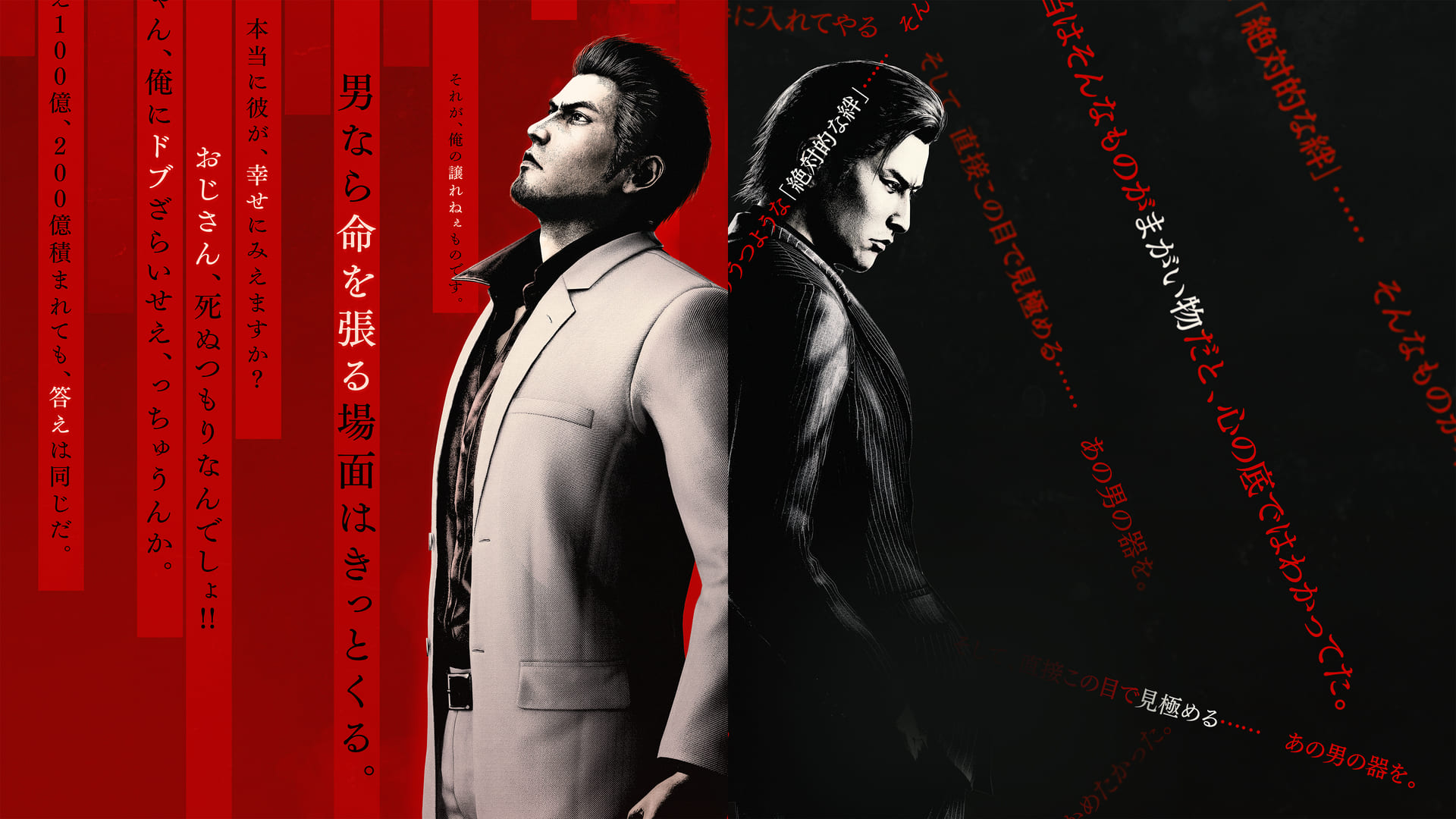
On one hand, we have Yakuza Kiwami 3, a total reconstruction of the third installment that updates combat, pace, and content without losing its original identity. On the other hand, Dark Ties, a new story centered on Yoshitaka Mine, which works as a standalone game and provides a much more personal, dark, and surprisingly human perspective. Two different experiences, but united by the same theme: the bonds that define us… and those that destroy us.
Technical Aspect
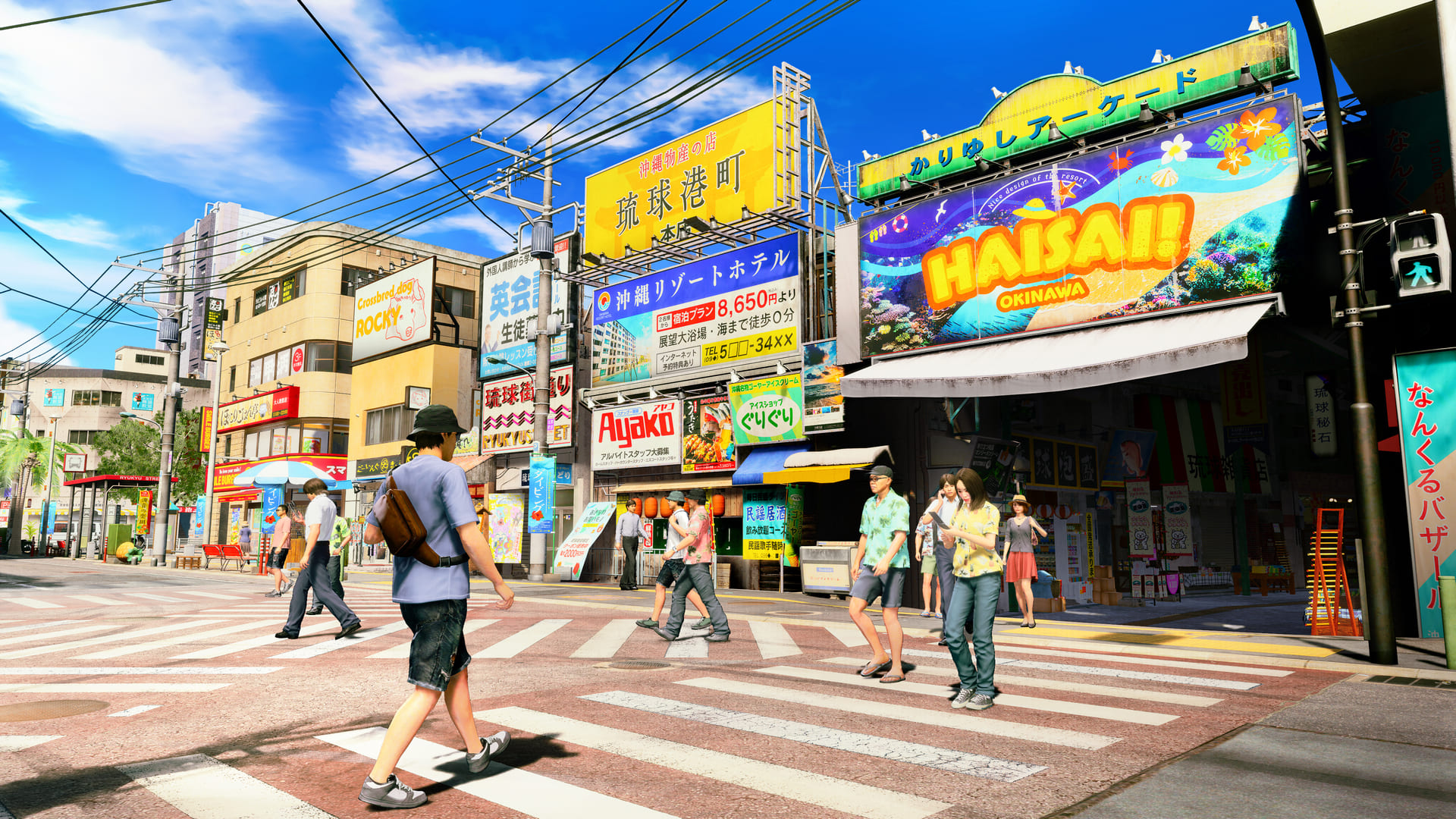
Technically, Yakuza Kiwami 3 takes a huge leap from the original. Okinawa and Kamurocho have been rebuilt with a level of detail that does justice to the memory many had of the game, but with a more vibrant presentation. The streets are filled with activity, the interiors have more personality, and the lighting adds a warmer atmosphere in Okinawa and a more aggressive one in Tokyo.
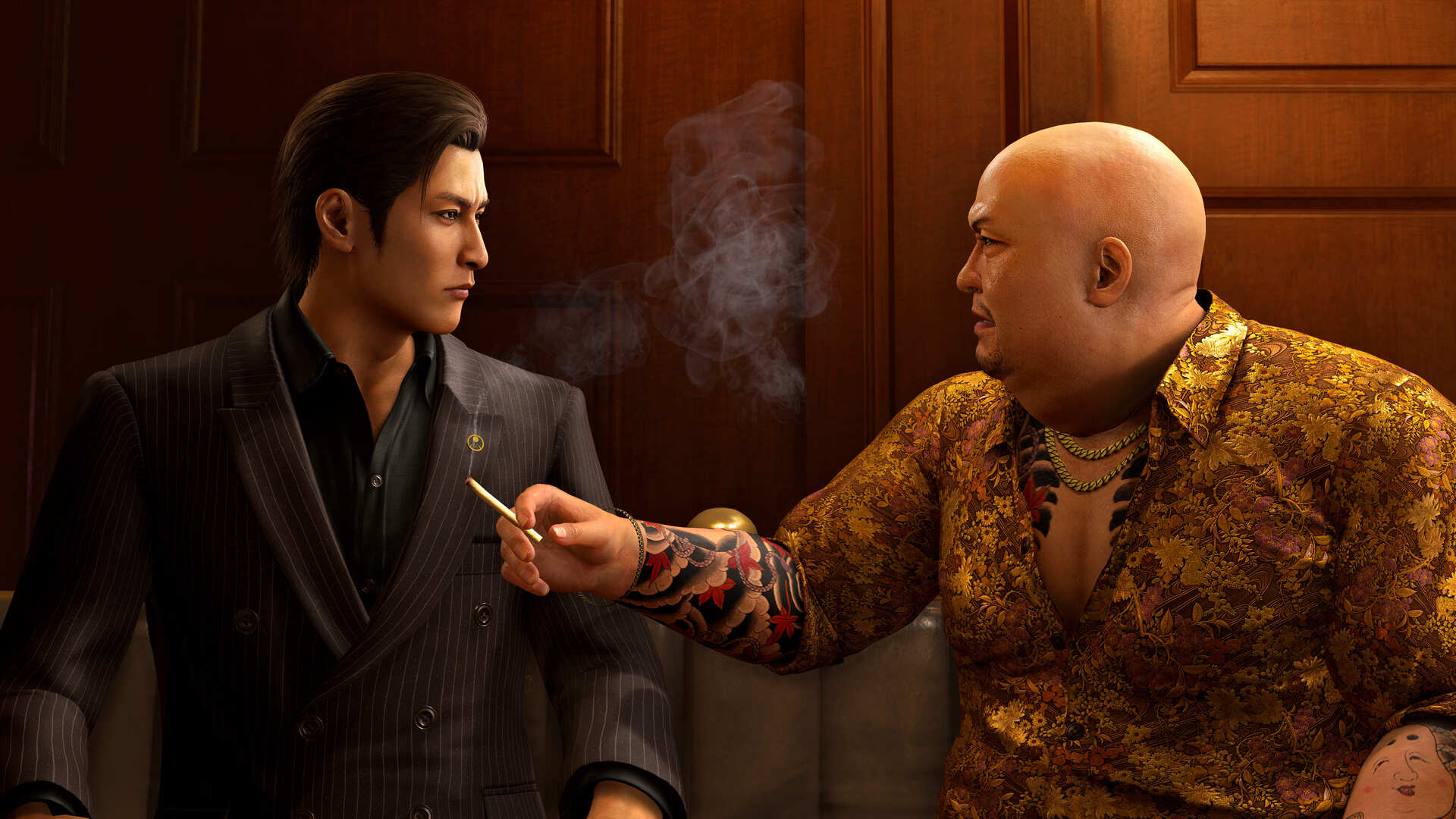
Facial animations have improved significantly, which is important in a saga so focused on characters and the emotions they try to convey. The new scenes fit well with the original material, without breaking the rhythm or feeling forced. In Dark Ties, the visual tone is somewhat more subdued and dark, accompanying Mine’s personal journey and clearly differentiating itself from Kiryu’s story.
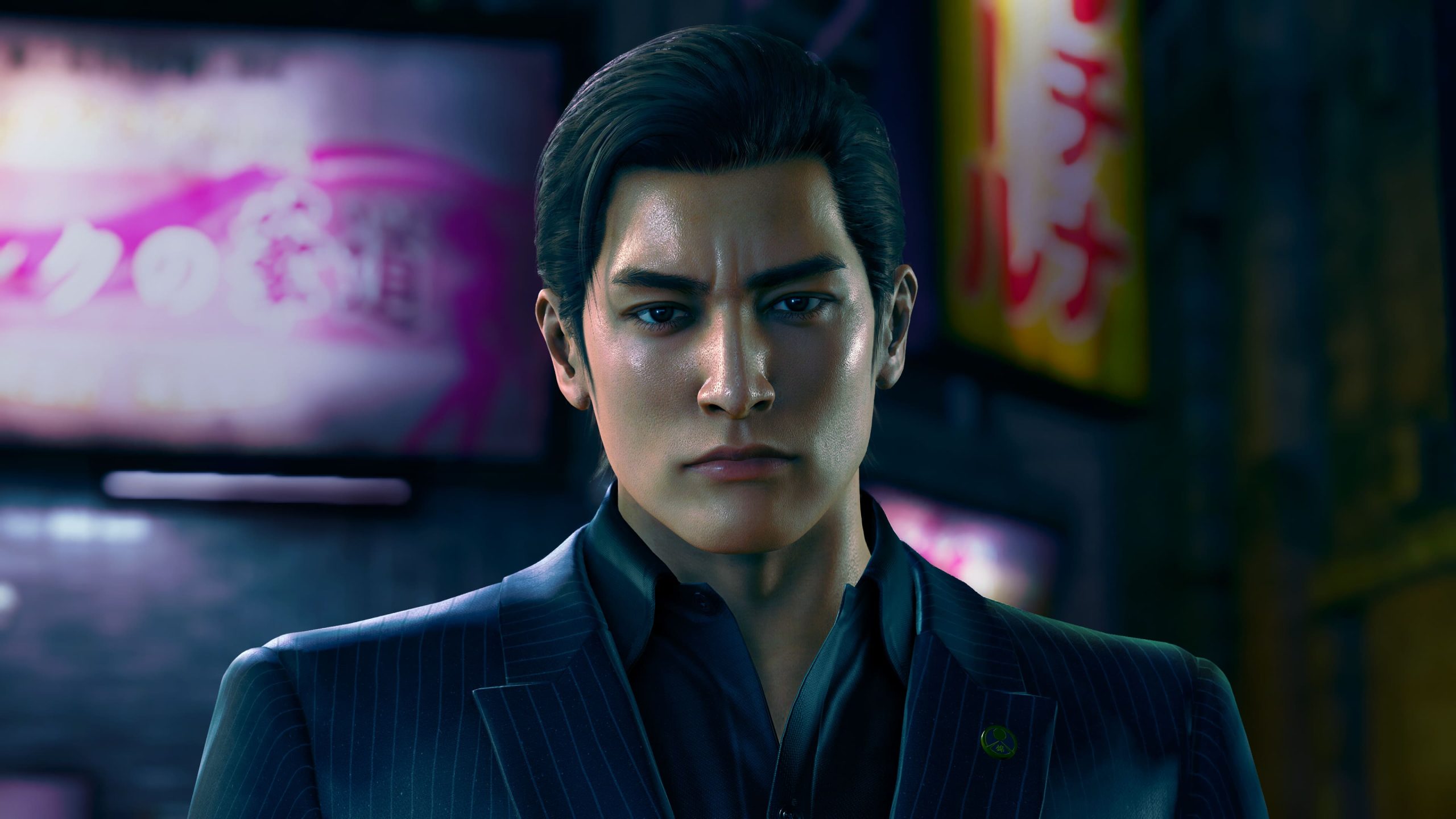
Performance is solid at all times, even in battles with many enemies or during more demanding mini-games. Loading times are reduced, and the experience feels polished, as expected from an edition of this caliber.
“A well-measured tribute that knows when to look back and when to move forward”
Gameplay
One of the major changes in Yakuza Kiwami 3 is its reimagined combat. Kiryu can switch styles in real-time, adding dynamism and depth to each confrontation. The new Ryukyu Style introduces a technical approach based on traditional Okinawan weapons, allowing for very varied combos with up to eight different types of armaments, including nunchakus.
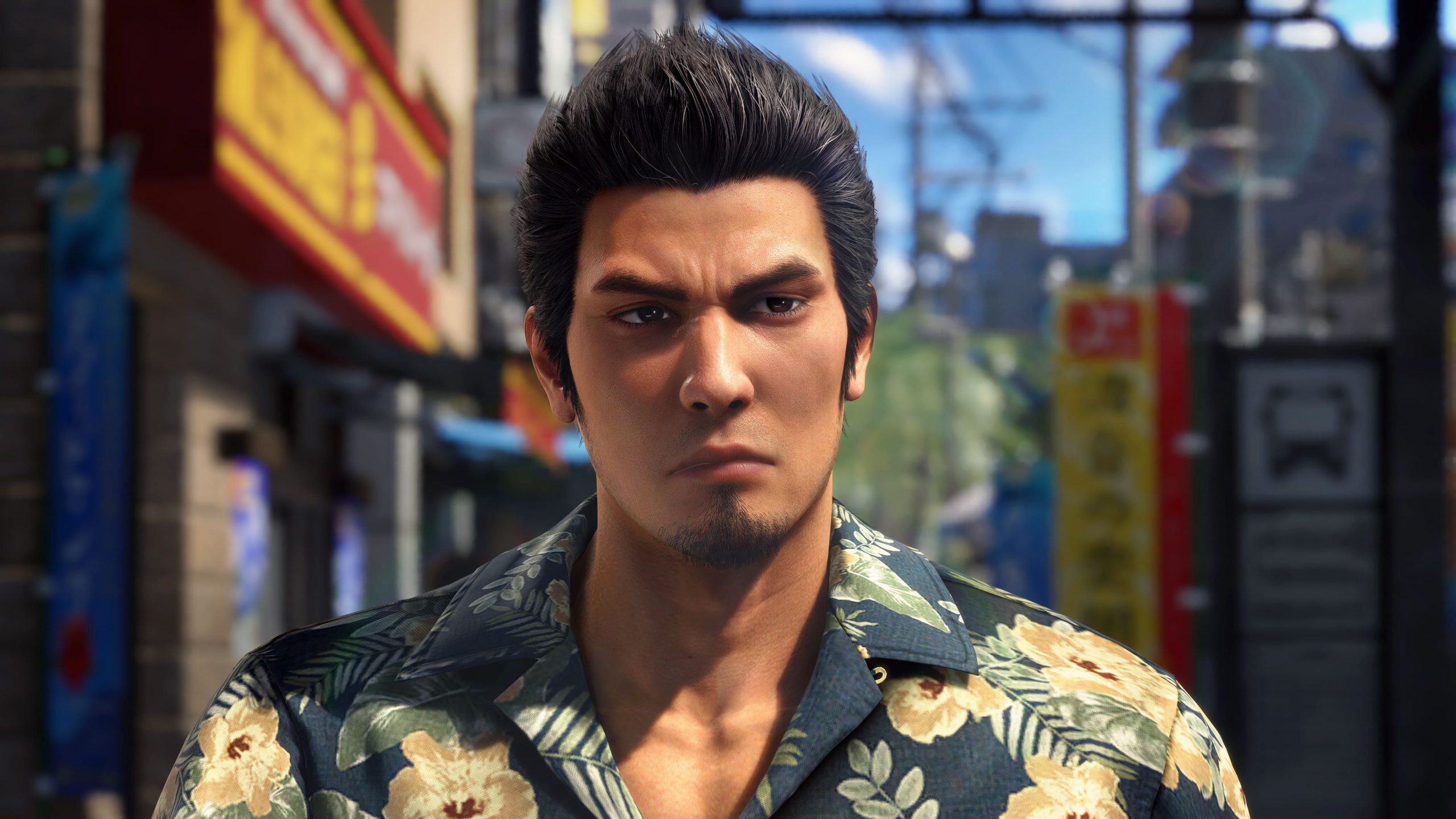
The Dragon of Dojima: Kiwami Style represents the purest and most aggressive version of Kiryu. It’s a direct, forceful style with a huge number of techniques, probably one of the largest the character has had in the entire saga. The upgrade system allows for combat customization, unlocking abilities and adapting the style to how you prefer to play.
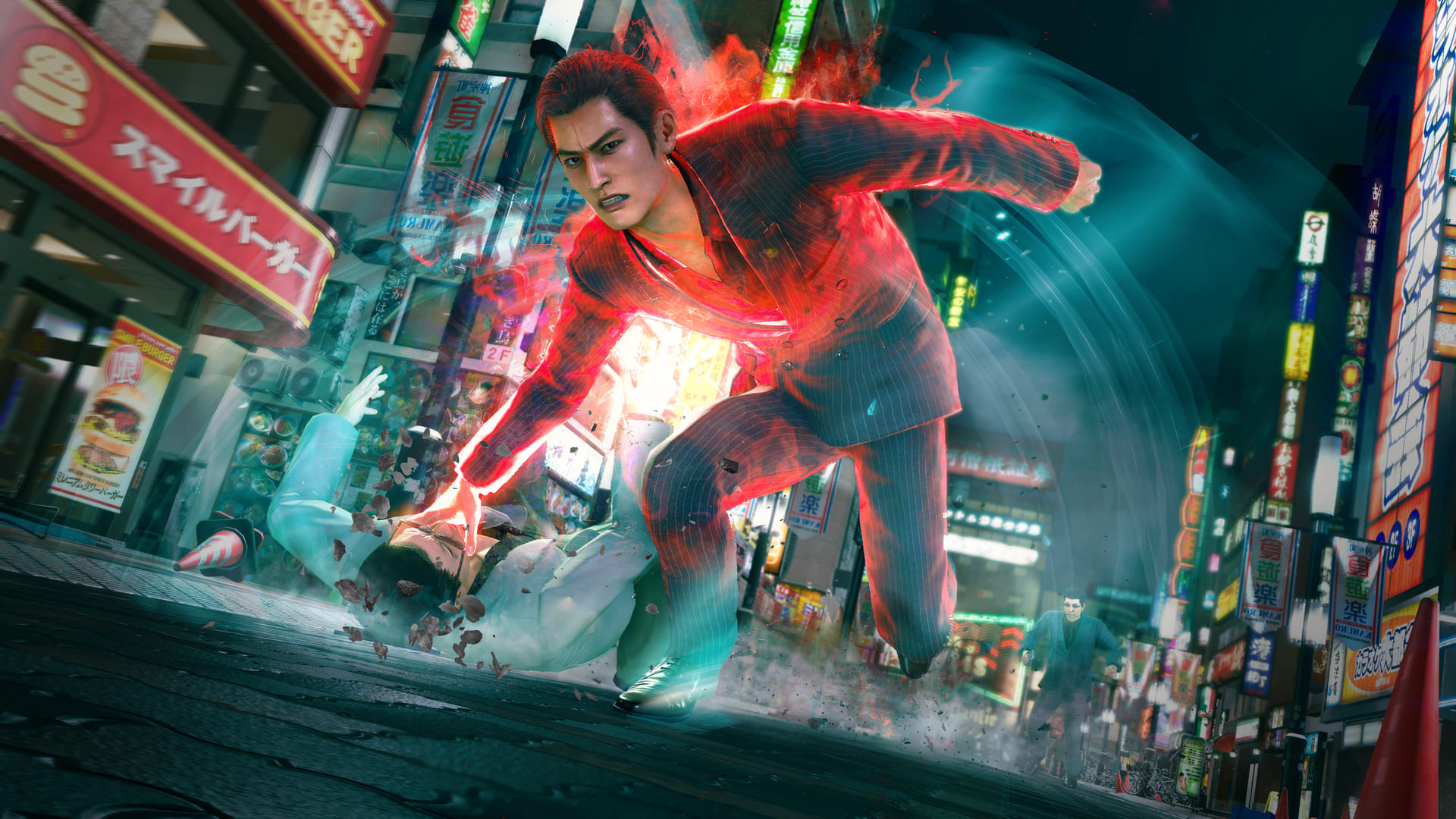
Dark Ties, on the other hand, offers something completely different. Yoshitaka Mine is controlled with a combat system based on shoot-boxing, much more stylized and technical. His movements are fast, precise, and elegant, punishing enemy mistakes with clean and very satisfying combos. When the Dark Awakening state comes into play, combat transforms completely, becoming more aggressive (or crazier, if you will) and visually brutal.
Both experiences feel different, but well-balanced. Kiryu represents strength and responsibility; Mine, ambition and the search for meaning. This duality is noticeable even when you’re playing.
Yakuza Kiwami 3 greatly expands its secondary activities. Life at the Morning Glory orphanage gains weight, allowing you to see Kiryu as a paternal figure through mini-games like cooking, sewing, or helping with homework, all integrated into a Daddy Rank system that reinforces this more human side of our character.
The Bad Boy Dragon mode introduces one of the most unexpected novelties: leading a gang of female bikers to protect Okinawa. It’s not just a mini-game, but a management, customization, and combat experience that adds variety and a more carefree tone without breaking the coherence of the whole.
- This is added to new classic mini-games from the saga, karaoke with new songs, costume customization, phone customization, and even a selection of 12 Game Gear games, a nostalgic detail that fits perfectly into this anniversary celebration.
Dark Ties doesn’t fall behind. The Hell’s Arena introduces clandestine combat, survival challenges, and races in underground dungeons, providing a more arcade-like structure focused on constant progress. Additionally, the Kanda Damage Control narrative line adds missions centered on reputation, personal relationships, and small urban tasks that deepen the environment and secondary characters.
Kiryu and Mine, two opposing paths united by the same bonds
Duration
In terms of pure content, Yakuza Kiwami 3 & Dark Ties offers a very complete and well-balanced experience between its two proposals. The main story of Yakuza Kiwami 3 is around 22 hours (it can be more depending on everything you want to do), a duration that fits perfectly with the more leisurely pace of this installment. It’s a game that invites you to stop, to alternate main missions with secondary activities, and to enjoy life in Okinawa and Kamurocho without haste.
On the other hand, Dark Ties presents a more concentrated and direct experience. Its campaign is around 12 hours, with a more narrative focus and a slightly more intense pace, centered on Yoshitaka Mine’s personal journey. It doesn’t seek to artificially prolong itself, but to offer a well-measured story, with very differentiated combat and a narrative arc that stands on its own.
Together, the pack exceeds 30 hours of gameplay, to which are added mini-games, tasks, special modes, and optional content for those who want to delve deeper. Two distinct campaigns, with their own rhythms, that complement and reinforce the overall value of this commemorative edition.
Conclusion
Yakuza Kiwami 3 & Dark Ties is much more than a simple remake. It’s a very timely celebration of the Like a Dragon saga’s legacy, a respectful revision of the past, and a bet on telling new stories with characters that deserved more depth.
Kiwami 3 improves the original in almost every aspect: more fluid combat, a more adjusted pace, and secondary content that reinforces Kiryu’s figure as something more than a fighter. Dark Ties, on the other hand, is a major surprise, offering a different view of the yakuza world through an antagonist who here gains nuances, contradictions, and humanity.
- Not everything is perfect: some systems can be dense for those not accustomed to the saga, and the abundance of content can be overwhelming. But this excess is part of the Like a Dragon DNA.
This pack not only honors 20 years of history, but also demonstrates that the saga still knows how to look back without getting anchored in the past. Two games, two protagonists, and the same conclusion: the bonds we create define who we are, even when everything seems lost.
We thank Cosmocover for the material provided to carry out this analysis.


Founder and editor of SoloXboxOne and Generación Xbox. He is also one of the owners of the GX Group, Samsung Universe and the Reflotes forum. Adrian has reviewed over 200 games on the web and has an average score of 85 according to Opencritic. Among his expertise as a writer and analyst, he has interviewed Microsoft personalities and participated in private gaming events.
Related Post