

A title more of management than survival that could open the door to many potential fans of the genre.
Take a look at these other reviews
- Review of Monster Hunter Stories 3: Twisted Reflection — the return of the Monster Hunter RPG that many were waiting for
- Review of Styx: Blades of Greed – Goblins can also be good
- Review of Resident Evil Requiem – Returning to Raccoon City has never been so unsettling
| Don't miss anything and follow us on Google News! |
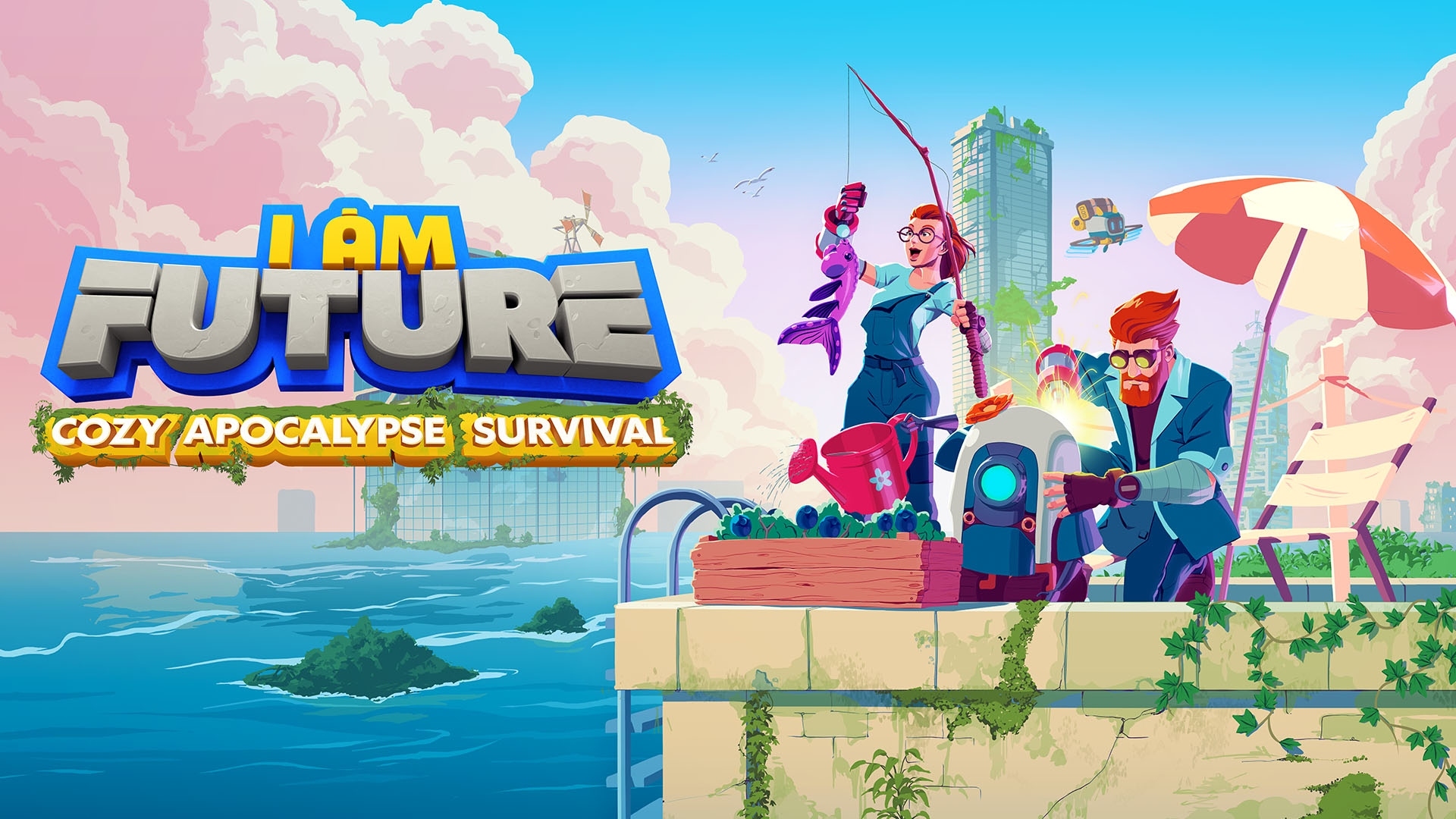
After a good while of being released on PC, I Am Future: Cozy Apocalypse Survival arrives on Xbox with a clear premise, but one that’s a bit different from what the survival genre typically brings. Survival titles, as a general rule, bring a constant sense of urgency and pressure to avoid something that will ultimately end the protagonists’ lives, whether it’s enemies, lack of oxygen, or some other disaster. The game from Mandragora and Tiny Build decides to stray from this path and opt for something a bit more tranquil.
The game’s story shows its protagonist (male or female, depending on the player’s choice) waking up by mistake from a cryogenic chamber on the rooftop of a building that survived what appears to be a massive flood.
All the data that the adventure throws out as time passes, along with some hints on signs and other points, suggests that humanity migrated to other worlds when the planet collapsed, but even with that perspective, the game never feels gloomy and heavy, quite the opposite.
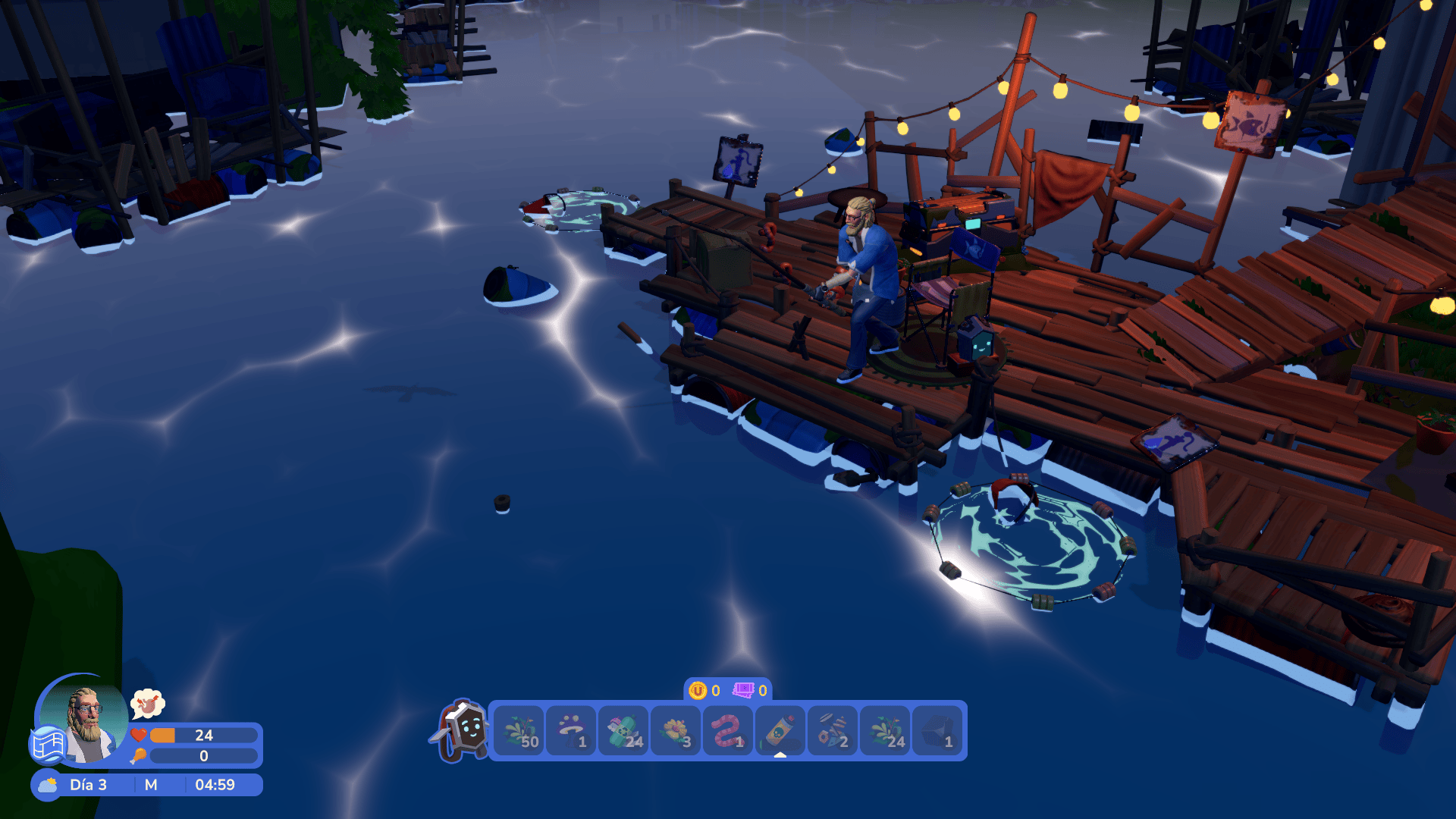
Despite the danger of being isolated on a rooftop with miles of water surrounding you, the threats are few and are limited to some electric creatures and plants that appear at night, in addition to the need to feed the protagonist and keep them in good health, which can be a bit complicated at first. Beyond that, despite being a survival game, it’s very relaxed and clearly aimed at an audience looking for a calm experience to pass the time without too much stress.
I invite you to join me in this analysis and enjoy the apocalypse together, one way or another.
Technical Aspect
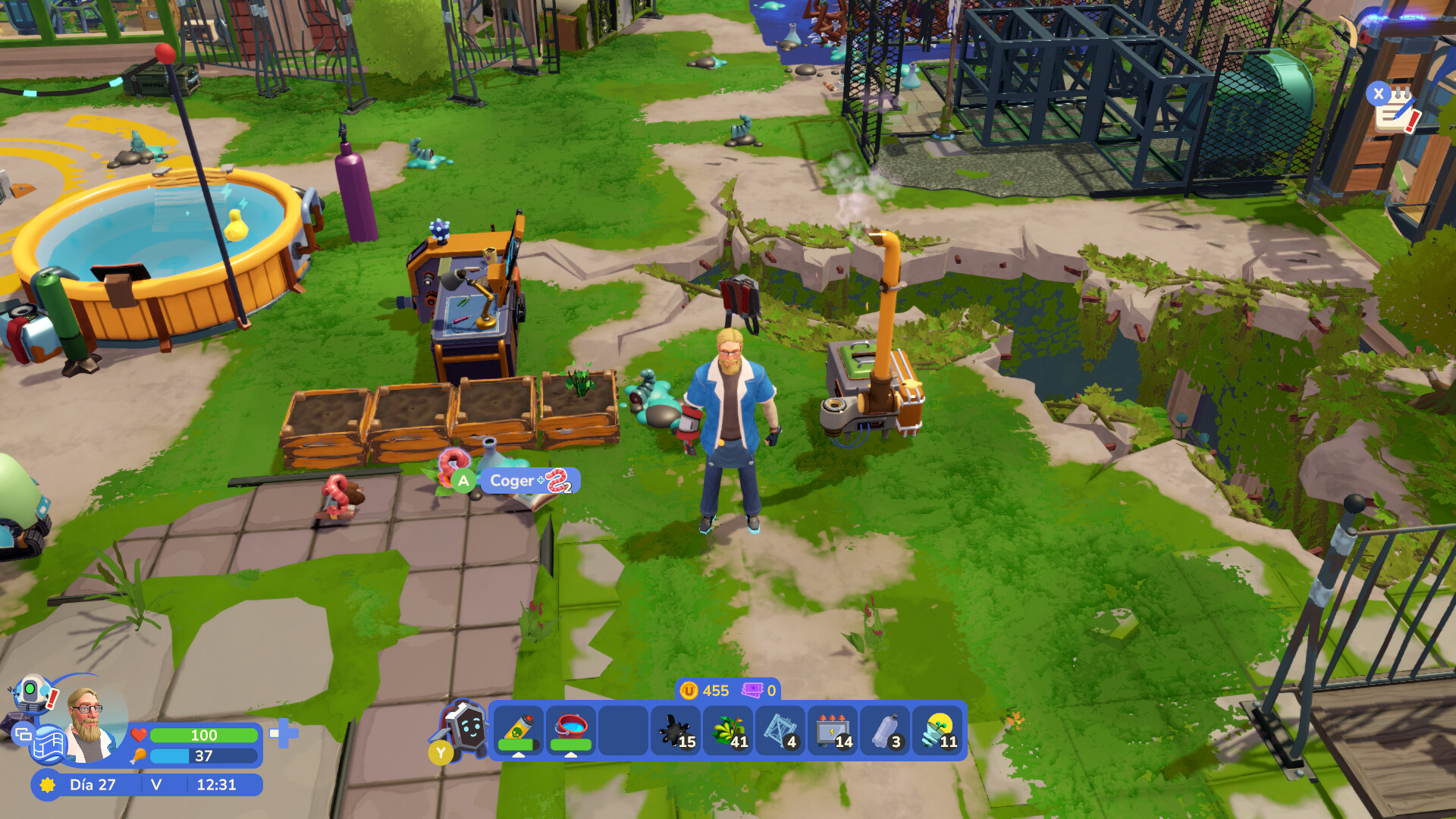
Graphically, the title bets on a cartoonish look that complements the tone of the entire production, so the apocalyptic theme isn’t too serious. The rooftops filled with flora, various items, and paths are very colorful and make exploration, a key aspect of the game, always interesting, even during the most repetitive parts. The choice of this color palette contrasts with what’s normally seen in productions of this style, and I’m reminded of This War of Mine, for example, whose gray scale already conveys the weight of the game’s atmosphere.
The soundtrack, on the other hand, alternates between several relaxing melodies to add to this peaceful atmosphere that the game seeks to create amidst the adversity of the situation the protagonist finds themselves in. The rest of the sound effects do their job without standing out or falling short, and the dialogue is in an invented language, very similar to that of the Sims back in the day.
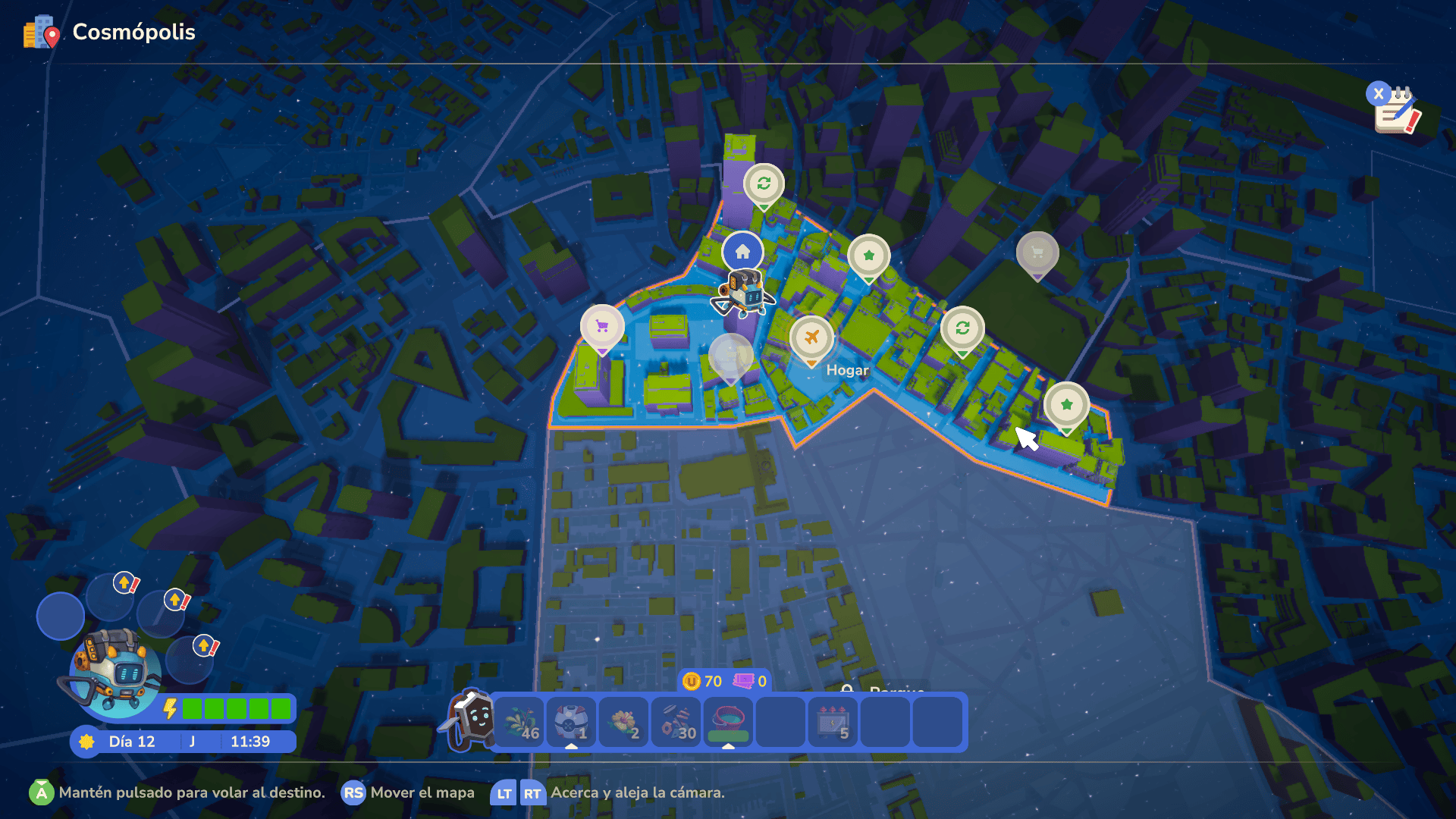
A negative point is the excessive loading times that occur when using drones, an optimization should resolve this performance issue in the future.
The game is localized in Spanish, a great achievement for the developers, as this can be a great game for pre-teen kids due to the ingenuity of the constructions and as a way to train patience, an element that will be used extensively to collect materials and build better structures and devices.
Gameplay
The first challenge, almost immediate, is the hunger the protagonist starts to suffer from as soon as they exit their cryogenic state. The idea is to stock up on flowers, blueberries, mushrooms, coffee, and other components to cook something after building a fire.
To obtain materials, different tools will be required, which can be attached to a mechanical prosthesis that serves as the character’s arm. The core of the game is based on construction, and I must say it’s a very fun and rewarding experience. You can create furniture, generate electrical structures, and even customize them at will. Of course, as the story progresses, the constructions become more complex, and the requirements for tools and materials follow that trend.
The inventory system is a bit cumbersome at first, as all materials must be stored in different places depending on the space, and can only be extracted from that location, without a combined inventory system. The protagonist’s inventory is limited to a few spaces and can be expanded by creating a backpack module that adds a few more spaces.
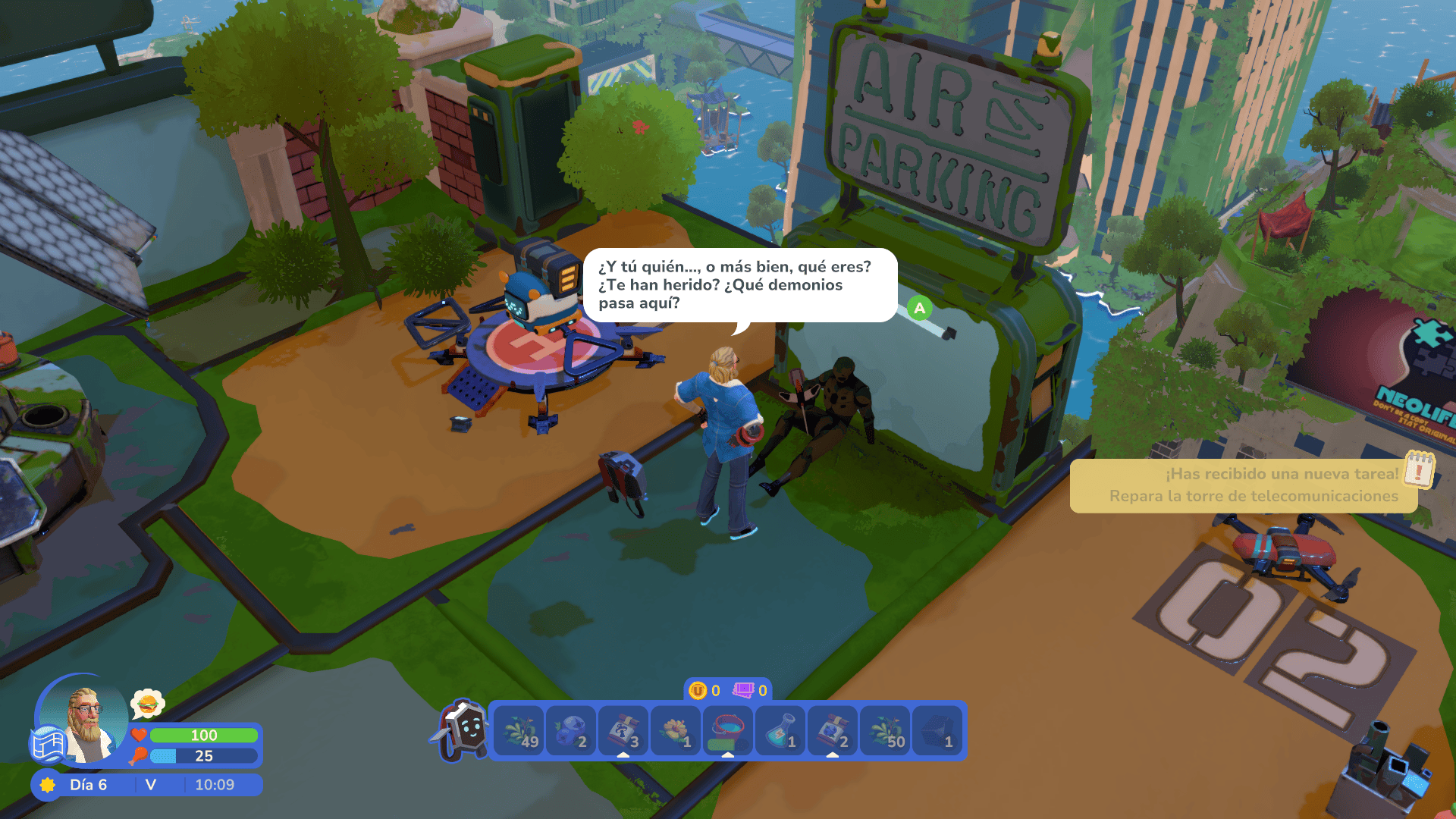
The title offers the particularity of collecting food from trees, planting fruits and vegetables, and even fishing. Cooking also allows you to create recipes, and there are even objectives directly related to this aspect.
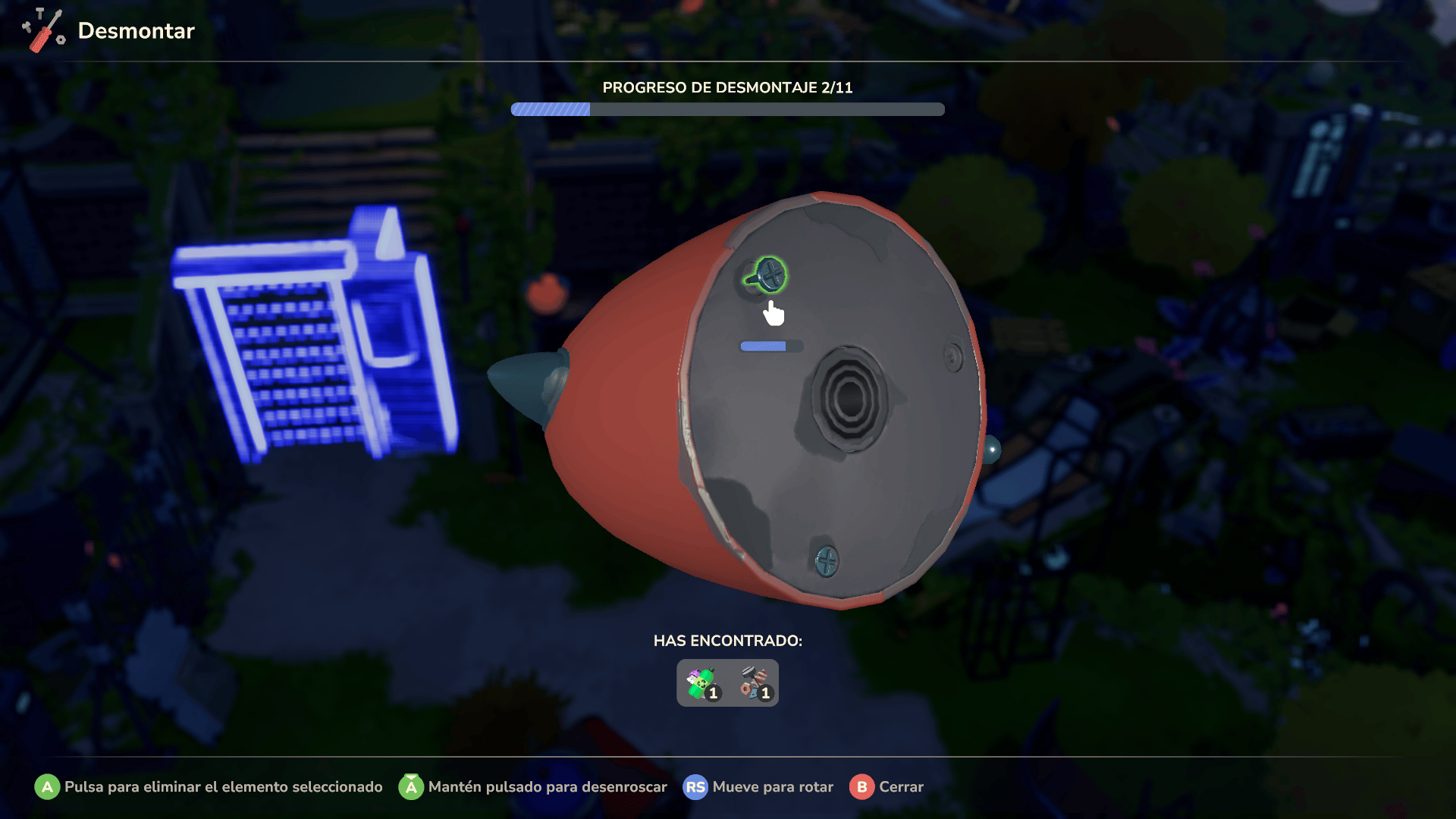
A variant that I found very original is that the title features a mechanic to dismantle objects, which allows you to extract different materials from appliances like microwaves or electric water heaters. In those cases, the camera switches to a close-up view of the object in question, and it’s possible to extract screws, components, and other materials with total detail. Personally, I’d never seen this in a game of these characteristics.
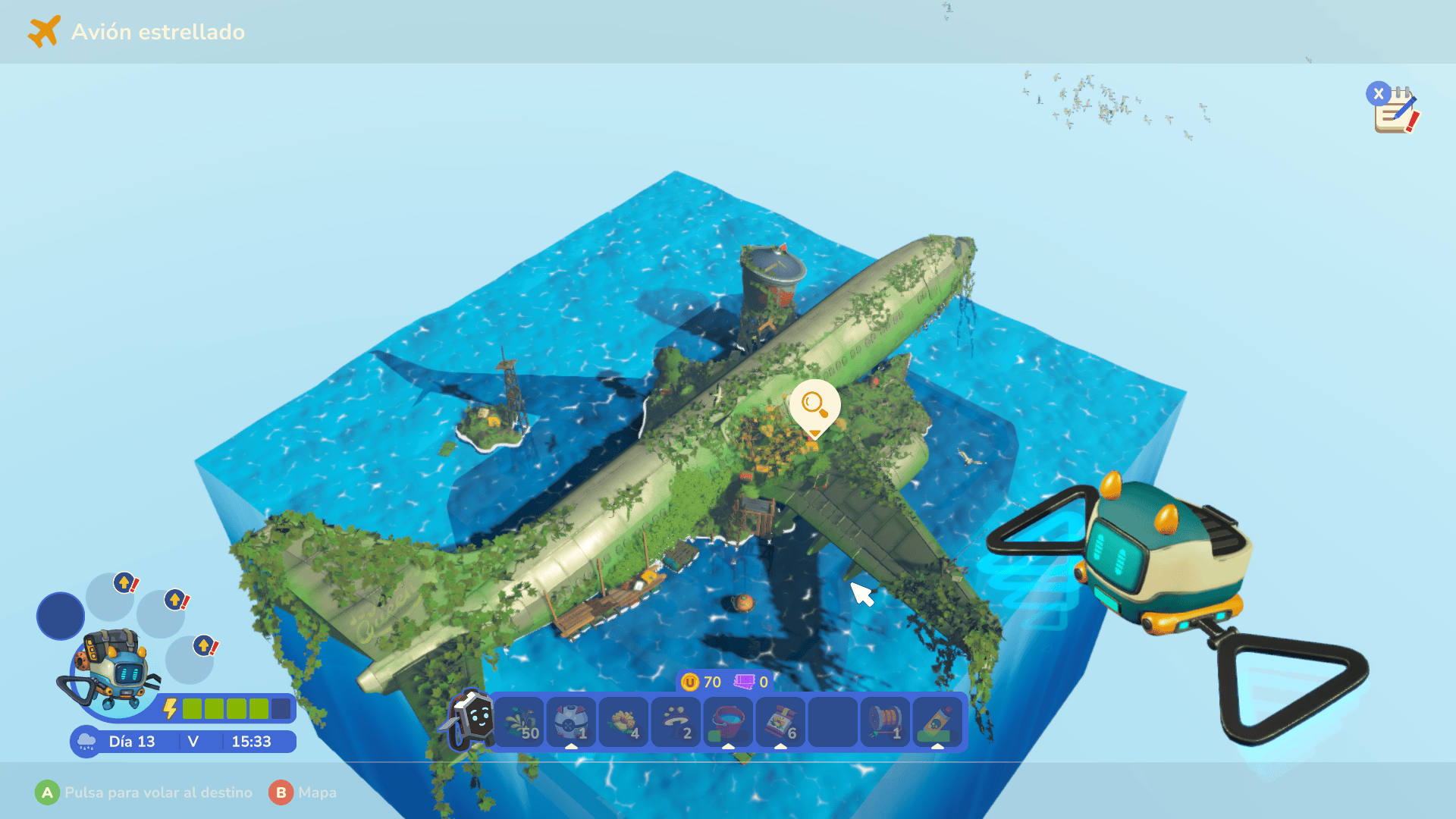
Once the basic parts of what would be the base on the rooftop are established, the game opens up to another of its main mechanics: automation. This is achieved through robots that can be programmed to perform tasks such as collecting crops, watering, or even exploring nearby areas with drones to collect materials or even trade with other distant points.
Duration
We’re dealing with one of those games where it’s easy to say, “I’ll play for a couple of hours,” but when you look at the clock, four hours have passed, and you haven’t even noticed. It’s a very entertaining game that can take over 15 hours to complete all its objectives, although it’s possible that after the first 7 hours, many of the tasks will have been automated, and the challenge will be much less, which is already quite an achievement in this production.
Conclusion
The only problem I see with the game is that it’s too relaxed for survival genre purists, but if we move away from this label and consider the game as a management and construction title, I think we’re dealing with a very fun exponent of the genre.
I also think the title is ideal for those who enjoy this type of production but struggle with the demands that come with the survival aspect, although in I Am Future, you can also make some adjustments to make the experience more challenging or even simpler. Variety is the spice of life, but I suppose it’s a good opportunity for those who haven’t dared to survive in a virtual environment or have done so with terrible results to give it another try.


Translator and video game localiser with a passion for retro titles and simulators. He has never let go of a controller since he was given an Atari 2600. He collaborates with different developers in the localisation of their titles into Spanish through Camelot Translations.
Related Post