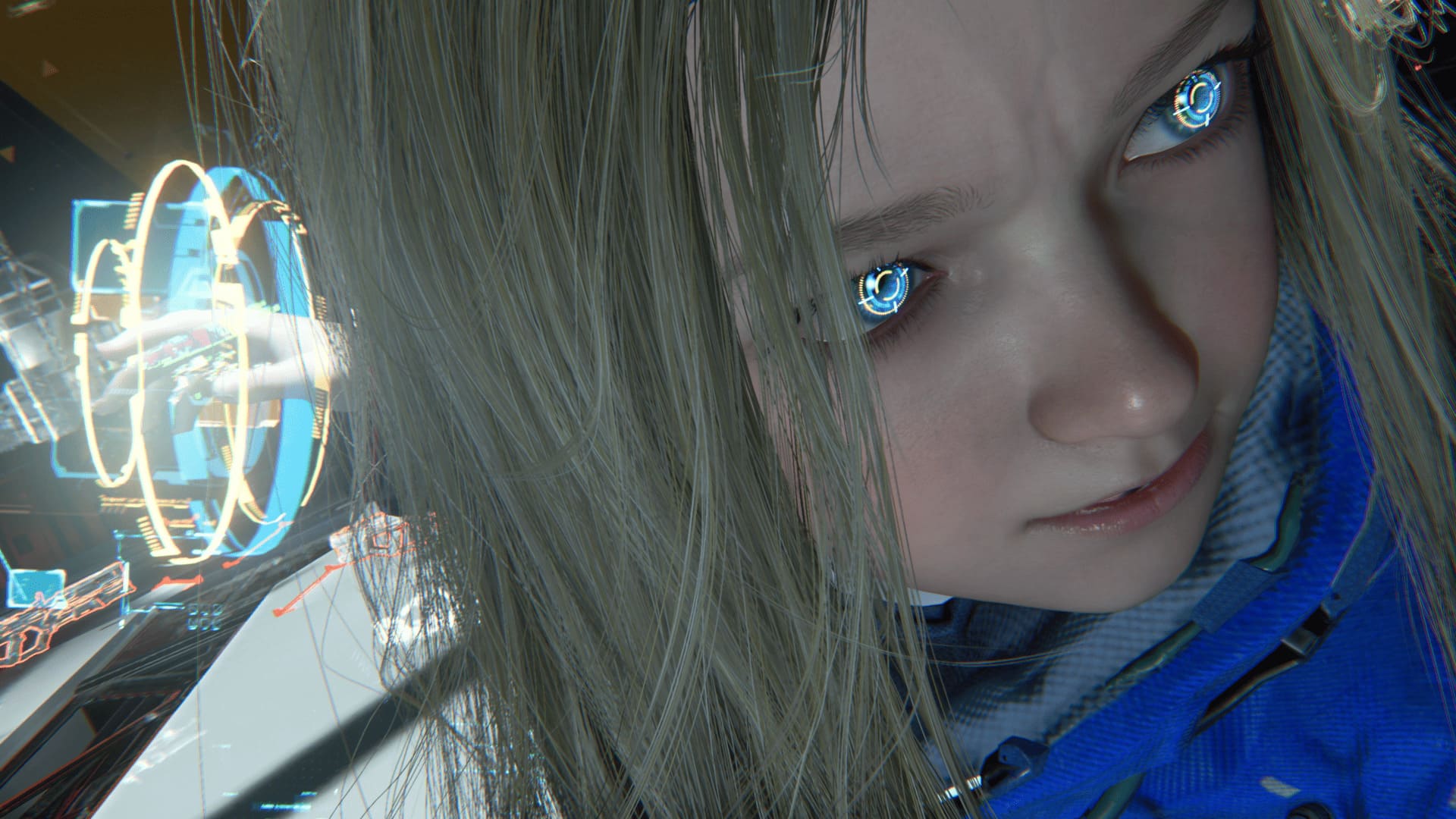


The company ensures that developers maintain total artistic control over the image.
More stories in the category News
- Xbox tests a new feature that allows adding any game or app to its PC interface
- Watch out, “LEGO Batman: Legacy of the Dark Knight” brings forward its release
- The Pragmata demo surpasses 2 million players just weeks after its release
| Don't miss anything and follow us on Google News! |
NVIDIA’s announcement of DLSS 5 has sparked significant debate among gamers and developers. The company presented this technology as one of the most substantial graphical advancements since the introduction of ray tracing in 2018, thanks to its new approach based on real-time neural rendering.
The intensive use of artificial intelligence to generate part of the image has also raised concerns within the community. Some gamers have questioned the extent to which this technology could alter the original visual style of games or modify the artistic intention of developers.
NVIDIA Explains How DLSS 5 Respects the Visual Style of Each Game
In response to these concerns, NVIDIA has published a clarification on social media explaining how DLSS 5 actually works and the level of control studios using the technology will have.
According to the company, developers will have complete artistic control over DLSS 5 effects, allowing them to adjust various parameters within the SDK to ensure the technology respects the visual style of each game.
Among the available options are adjustments such as:
- Effect intensity
- Color gradation
- Areas where the effect should not be applied
- Control over the AI model’s behavior
NVIDIA has also emphasized that DLSS 5 does not function as a simple filter applied to the final image. Instead, the system introduces data from the game engine itself into the AI model, such as movement vectors and colors of each frame, allowing the result to be anchored to the original 3D content.
In this way, the company ensures that the technology’s goal is not to modify the game’s artistic direction but to improve performance and visual quality while maintaining the original development intention. Meanwhile, DLSS 5 is still expected to arrive first on RTX 50 graphics cards by the end of this year.


Founder and editor of SoloXboxOne and Generación Xbox. He is also one of the owners of the GX Group, Samsung Universe and the Reflotes forum. Adrian has reviewed over 200 games on the web and has an average score of 85 according to Opencritic. Among his expertise as a writer and analyst, he has interviewed Microsoft personalities and participated in private gaming events.
Related Post