
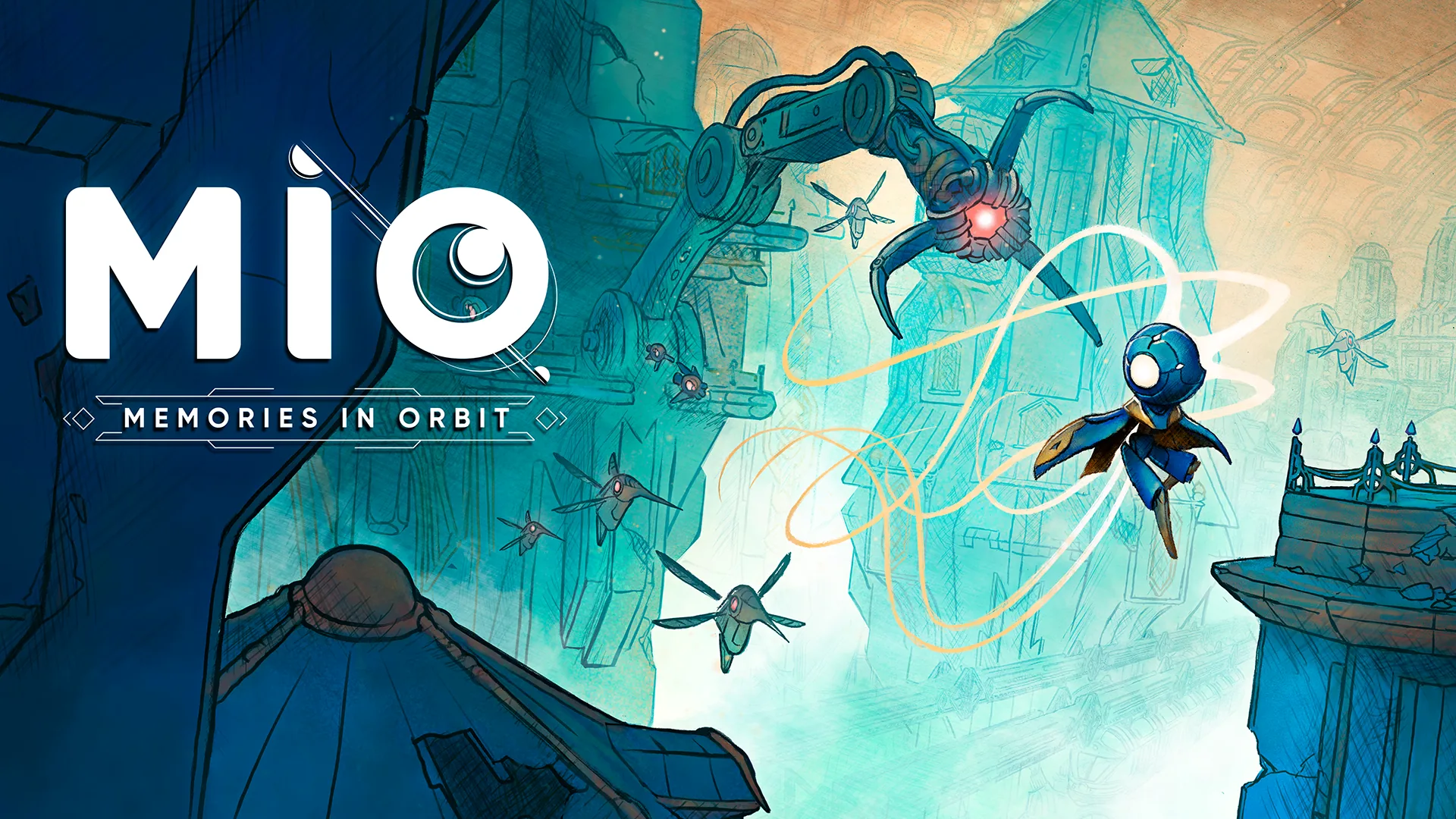

We analyze on Xbox the great, MIO: Memories in Orbit.
Take a look at these other reviews
- Review of Toxic Commando: zombies, non-stop action and the wild seal of John Carpenter
- Review of Fatal Frame 2 Remake – A Portrait of the Afterlife
- Review of Monster Hunter Stories 3: Twisted Reflection — the return of the Monster Hunter RPG that many were waiting for
| Don't miss anything and follow us on Google News! |
It’s only the beginning of 2026, and we already have a solid candidate for the best metroidvania of the year. In fact, I dare say that the game will become a favorite among fans of the genre in no time.
Memories in Orbit, or MIO, puts the player in the role of an android trapped in The Ship, a massive metal structure lost in space. The central parts of the ship have started to fail, causing the artificial intelligences that bring other robotic entities to life to go crazy and attack without reason. Meanwhile, the ship could be stranded in space forever if some components are not repaired.
Purists of the genre won’t be surprised to find clear references to other great modern exponents of the genre, such as Hollow Knight, Ender Magnolia, Ori, or even some particularities of the story that reminded me of the Nier saga.
I invite you to join me in this analysis of a game that is truly unmissable if you like the genre. Let’s get started.
Technical Aspect
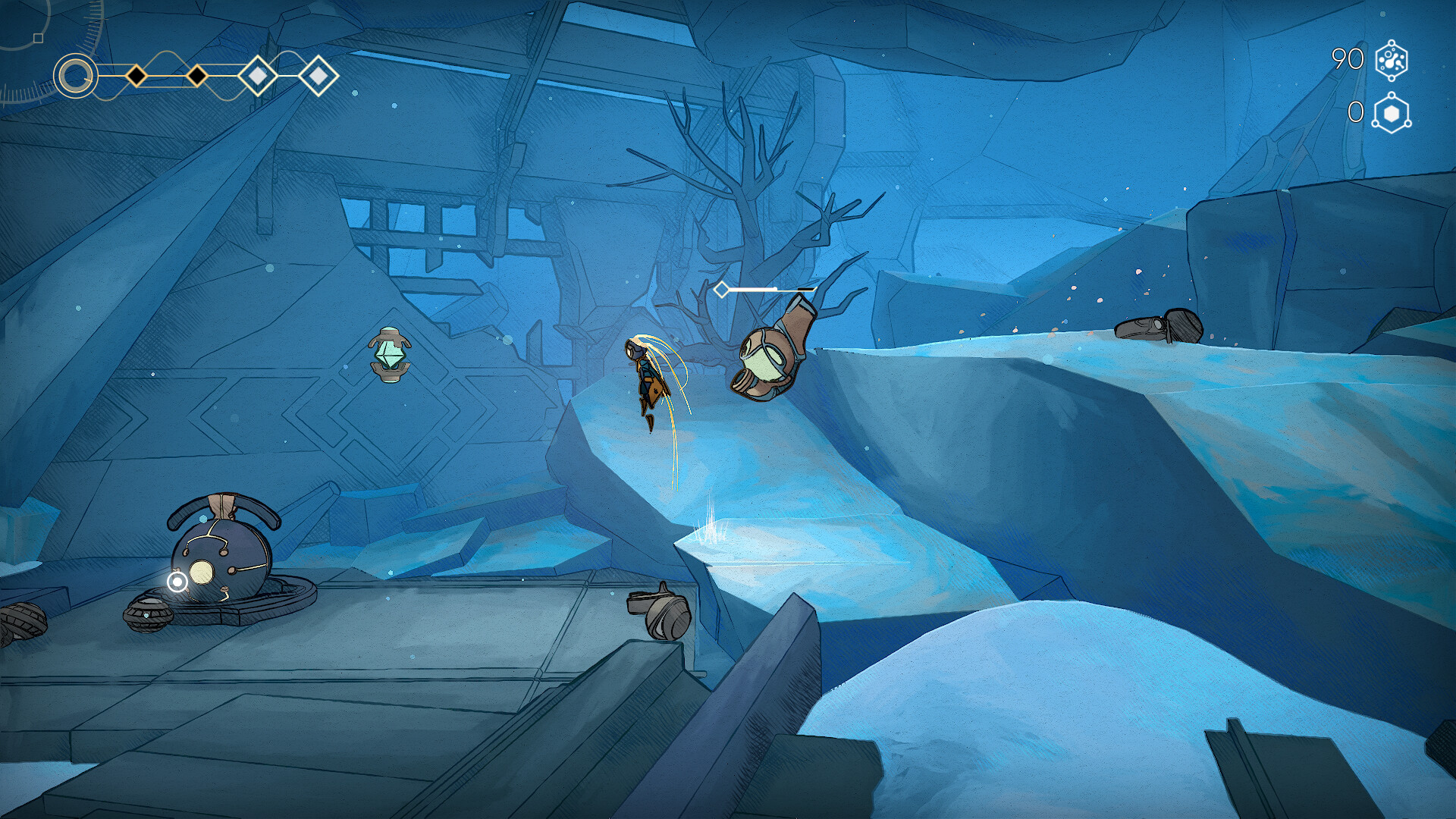
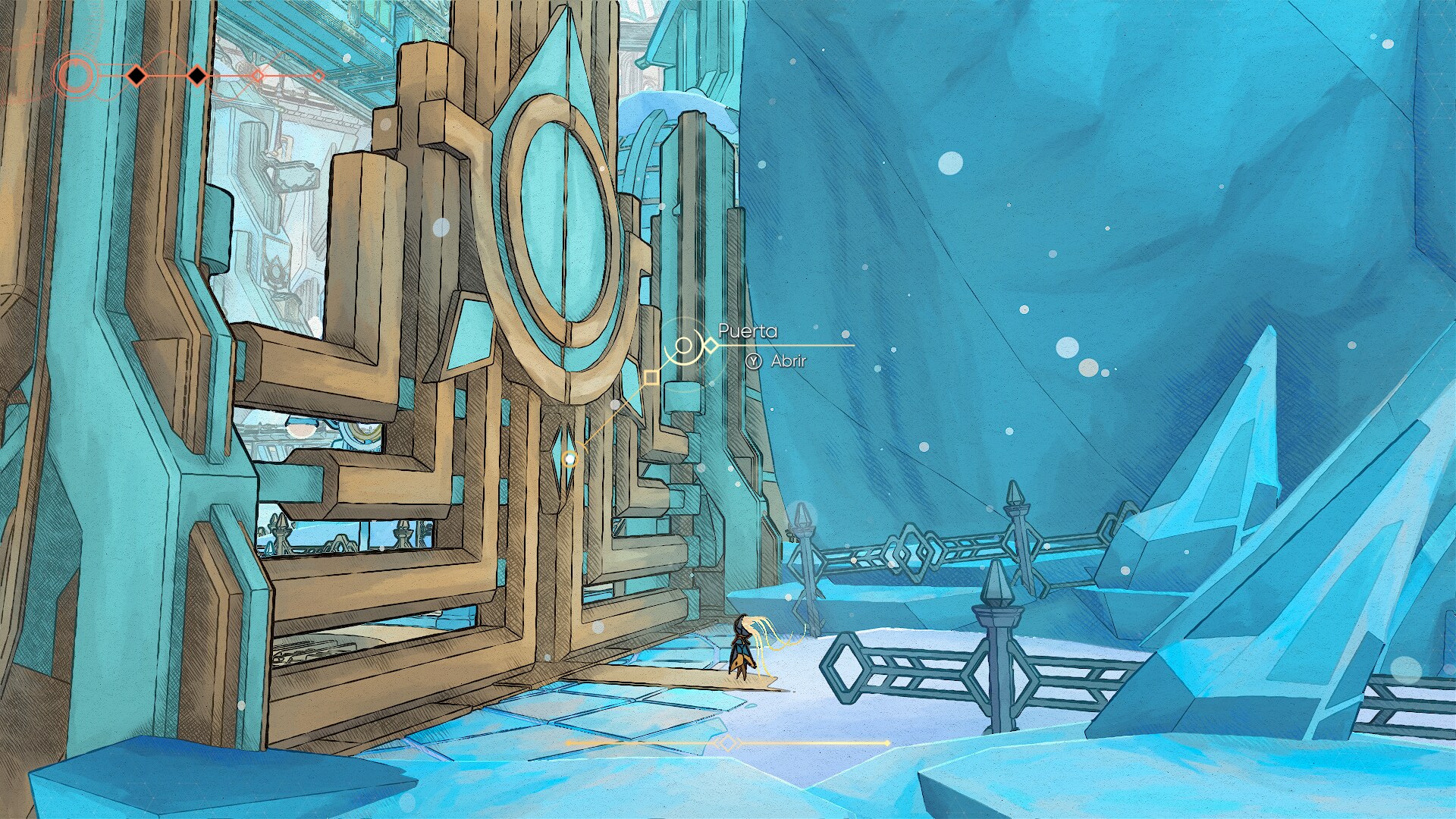
Visually, the game impacts from the first scenes with a 2D watercolor design that really suits it. The truth is that it’s necessary to highlight the work of the designers who managed to give color to a spaceship with a creative option, placing different microclimates or biomes depending on the section of the structure where the protagonist is. The upper parts of The Ship are in better condition, but as you descend, broken structures, thread formations, uncontrolled flora, and much more appear, resulting in a truly beautiful and imposing color palette.
Another notable aspect is the musical section, which will captivate the player with sweet but intense melodies with a fair balance that allows you to maintain concentration on everything that happens on screen without being repetitive, as you’ll have to traverse the same paths several times.
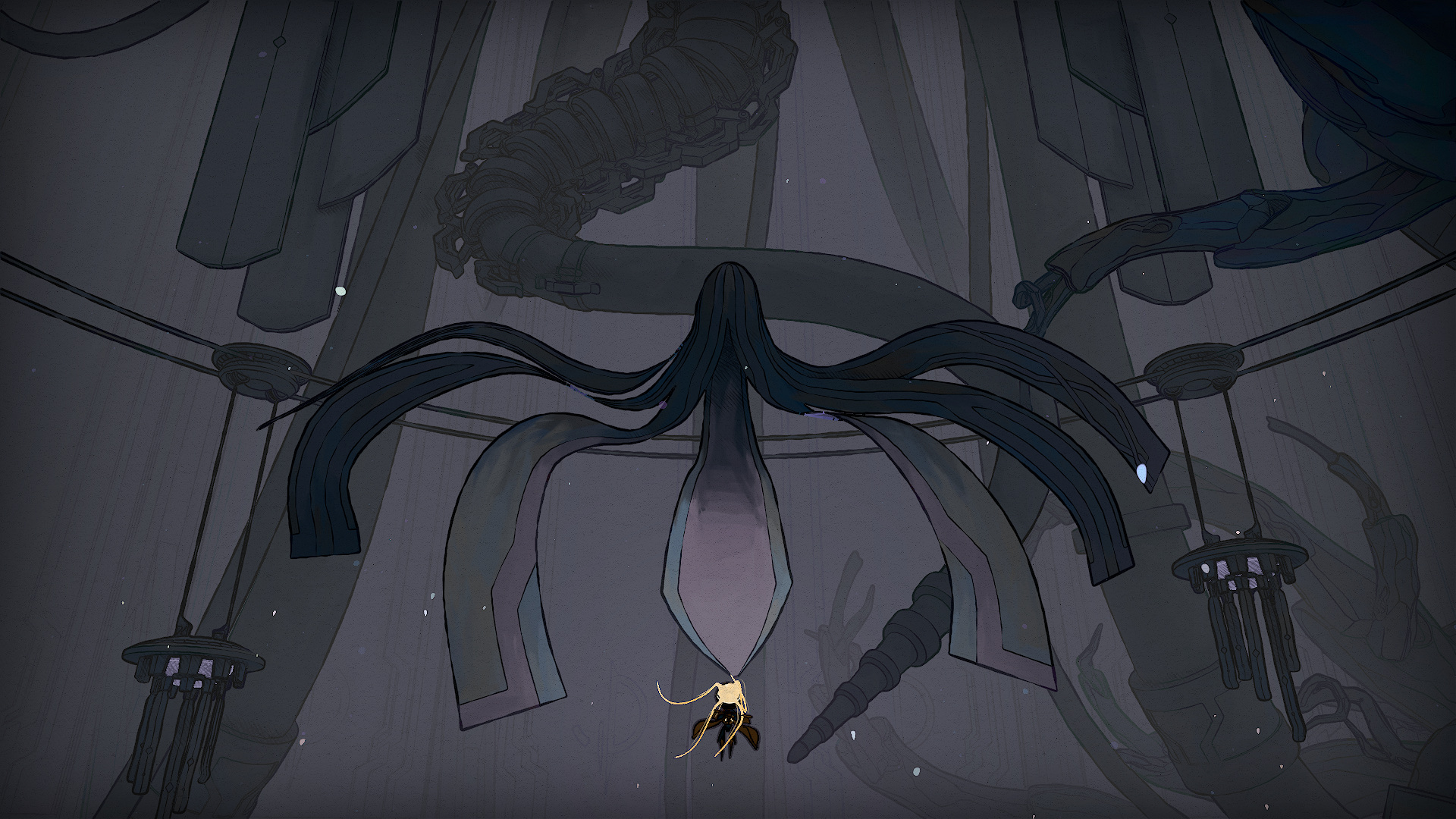
The ambient sounds are more than adequate, although the dialogues don’t have recorded voices, something that, considering the context of the game, I think would have been counterproductive and perhaps would have harmed the atmosphere.
Accessibility also played a significant role in the game’s design, with some interesting options like the possibility of gaining energy by simply standing still or deactivating the aggressiveness of enemies and NPCs, making the gaming experience much more peaceful, all of this in a perfectly optional way.
The game is localized in our language, both in the Iberian and Latin American variants.

Gameplay
The core of the game, like in any metroidvania, lies in the exploration of the scenario. The Ship has multiple routes to reach different points and secret passages to discover, not to mention points that you’ll have to return to with new abilities to access areas that were previously impossible or even open certain doors with specific insignias.
The exploration is more than free; in fact, when I started playing, I began exploring the wrong place and paid with MIO’s life – the price of difficulty in many occasions. However, as usual in these titles, the game connects the worlds where new abilities are obtained with the sections that can be accessed with them.
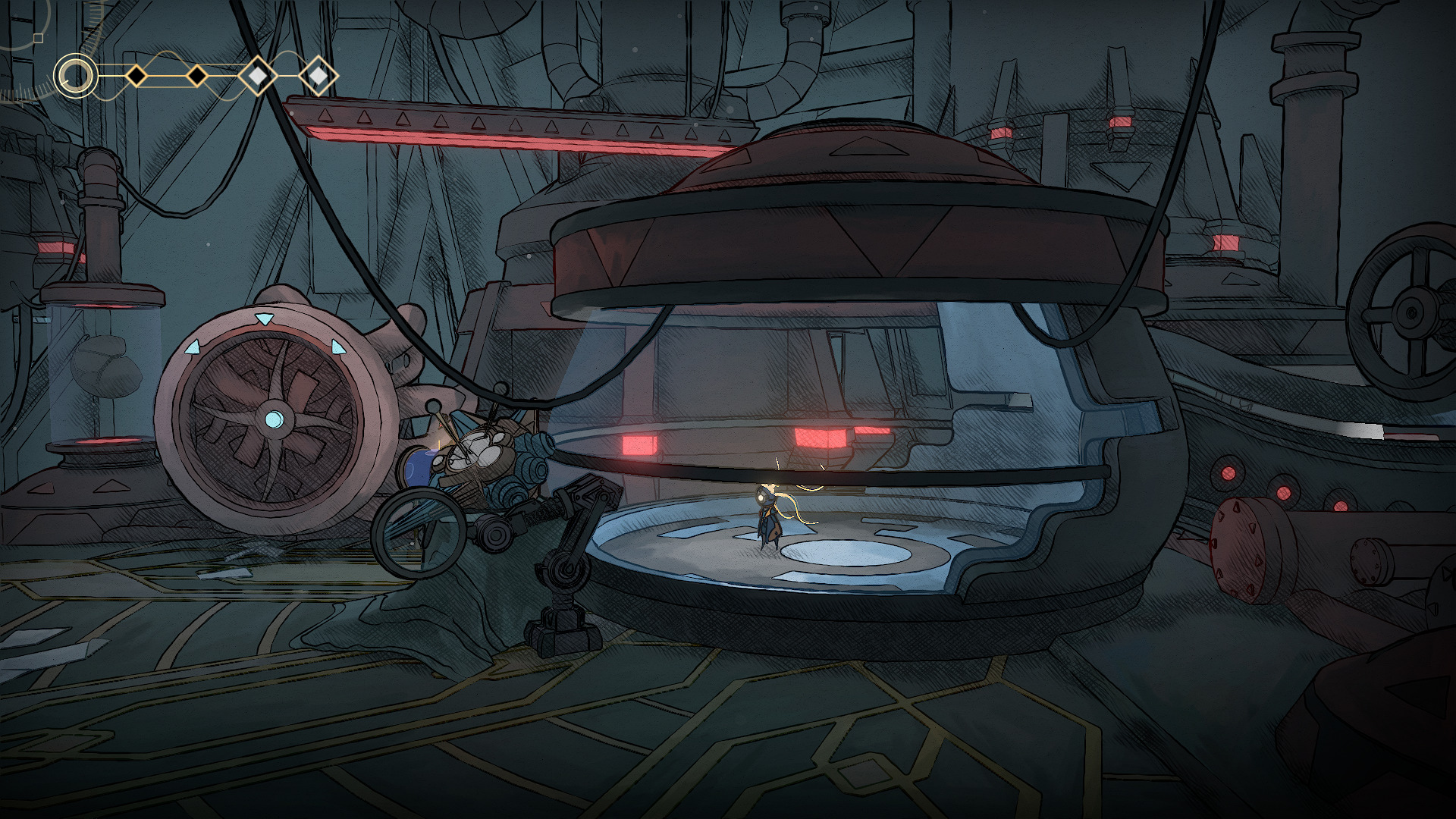
At first, the game doesn’t have a map as such, which can be frustrating, but after repairing the initial structure of the column, the map becomes accessible from the secondary menu, making things easier, although this is saying little in a game that boasts a very high level of difficulty, although never unfair. This is not only due to the protagonist’s low energy or the complexity of the enemies, mainly the bosses, but also because the save points are very scarce and often far from the largest enemies, making it an exercise in extreme care and patience to reach them, although never tedious or unpleasant.
According to the developers of Douze Dixièmes and Focus Entertainment, the game features around 30 varieties of enemies to defeat, and all have predictable patterns; the most challenging part is when they combine in a single group.
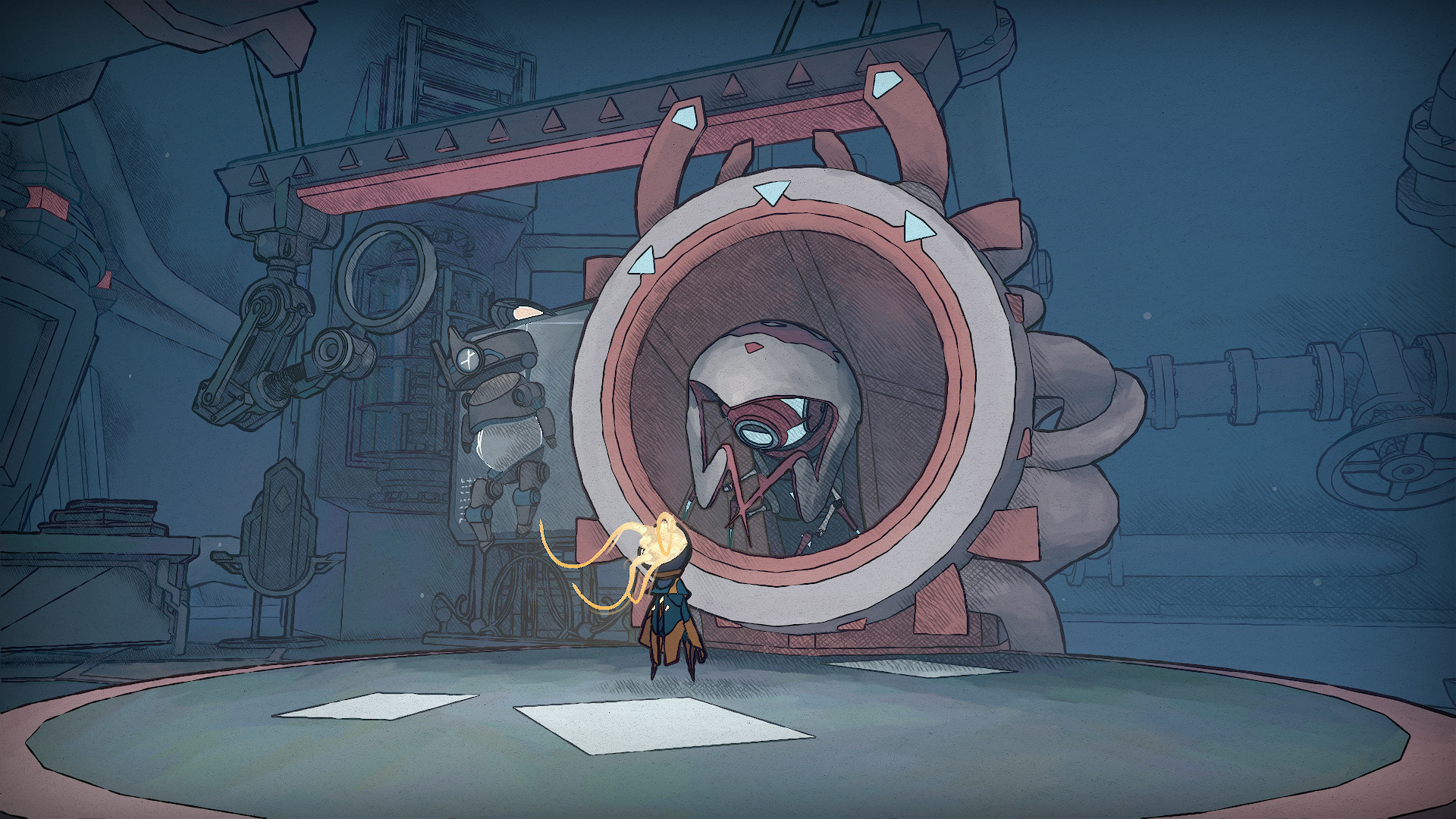
In addition to the abilities obtained in certain parts of the story or by defeating a specific boss, you can purchase various upgrades that add, for example, more energy. The game’s currency is mother-of-pearl, which is obtained by defeating enemies or collecting loose scrap metal. In some parts of the game, you can fossilize the mother-of-pearl to conserve it even after death; otherwise, the material will be lost forever when MIO is defeated.
The upgrade modules, on the other hand, occupy a certain amount of storage space that must also be expanded to accommodate everything you want, something that also reminds me a lot of the Nier saga.
Duration
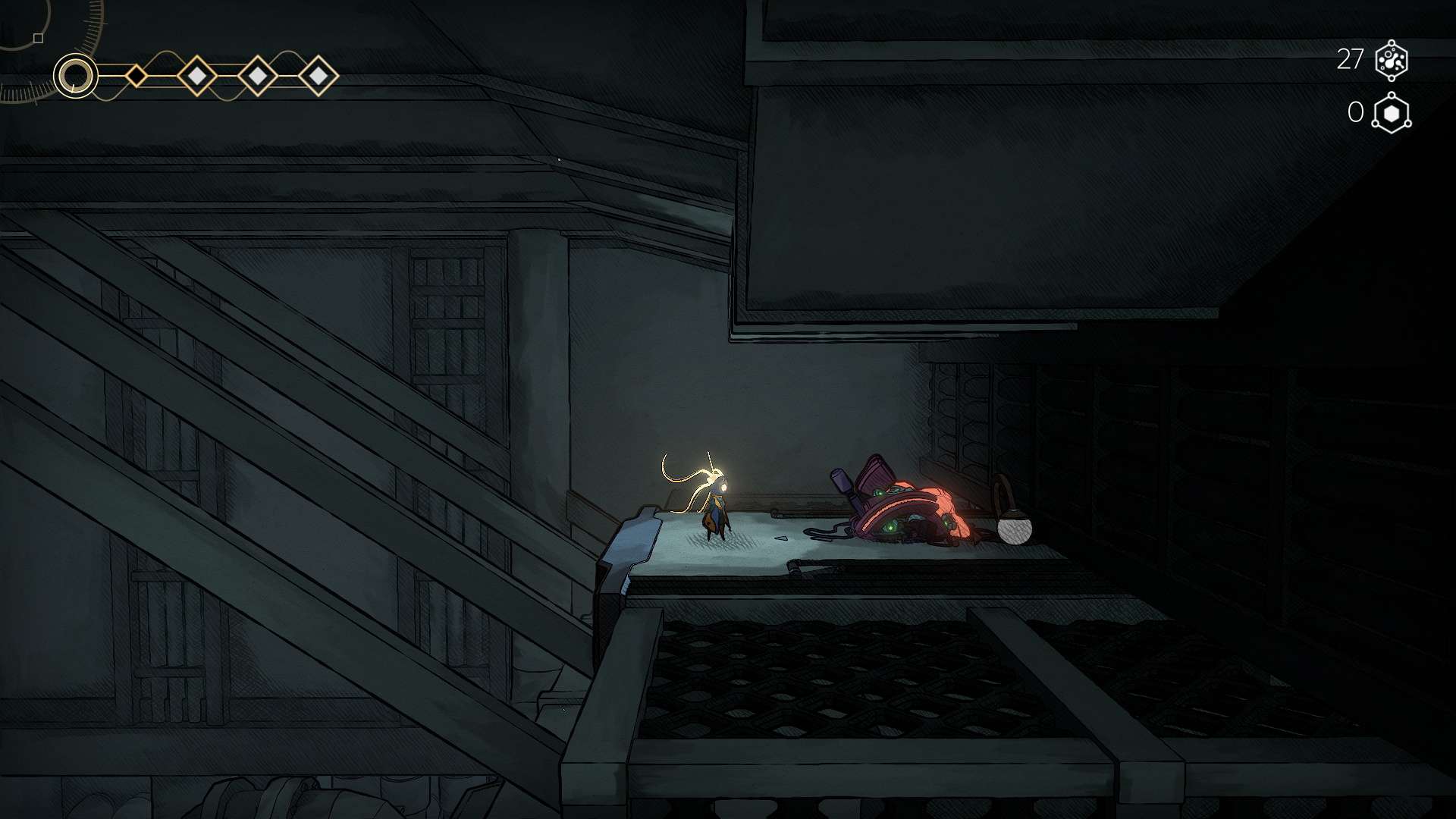
The game has around 17 hours of duration, including different endings and collecting various key elements for the story, objects that allow you to deeply understand the purpose of The Ship and what went wrong and the best way to solve everything.
Obtaining the true ending is very gratifying, but not easy, and it’s likely that you’ll have to consult a guide at certain points, especially with a particular puzzle.
Conclusion
Don’t expect to see in MIO: Memories in Orbit an innovative title that reinvents mechanics or fundamentally new aspects, because you won’t find it here. However, the truth is that the game doesn’t need to do so at any point.
The French are at the top of the podium with the games they’re releasing to the market lately, and the best part is the positive result in our enjoyment as players. Additionally, if you have an Xbox Game Pass subscription, you can already try MIO without any additional cost, as it’s part of the service’s catalog. A gem that you shouldn’t miss under any circumstances.


Translator and video game localiser with a passion for retro titles and simulators. He has never let go of a controller since he was given an Atari 2600. He collaborates with different developers in the localisation of their titles into Spanish through Camelot Translations.
Related Post