

The next-generation strategy aims for a slower transition and a broader hardware ecosystem.
More stories in the category News
- Hogwarts Legacy 2 could be closer: Avalanche makes a move
- Rockstar confirms a security breach as GTA 6 rumors grow
- GTA 6 in danger: hackers threaten to leak Rockstar’s internal data
| Don't miss anything and follow us on Google News! |
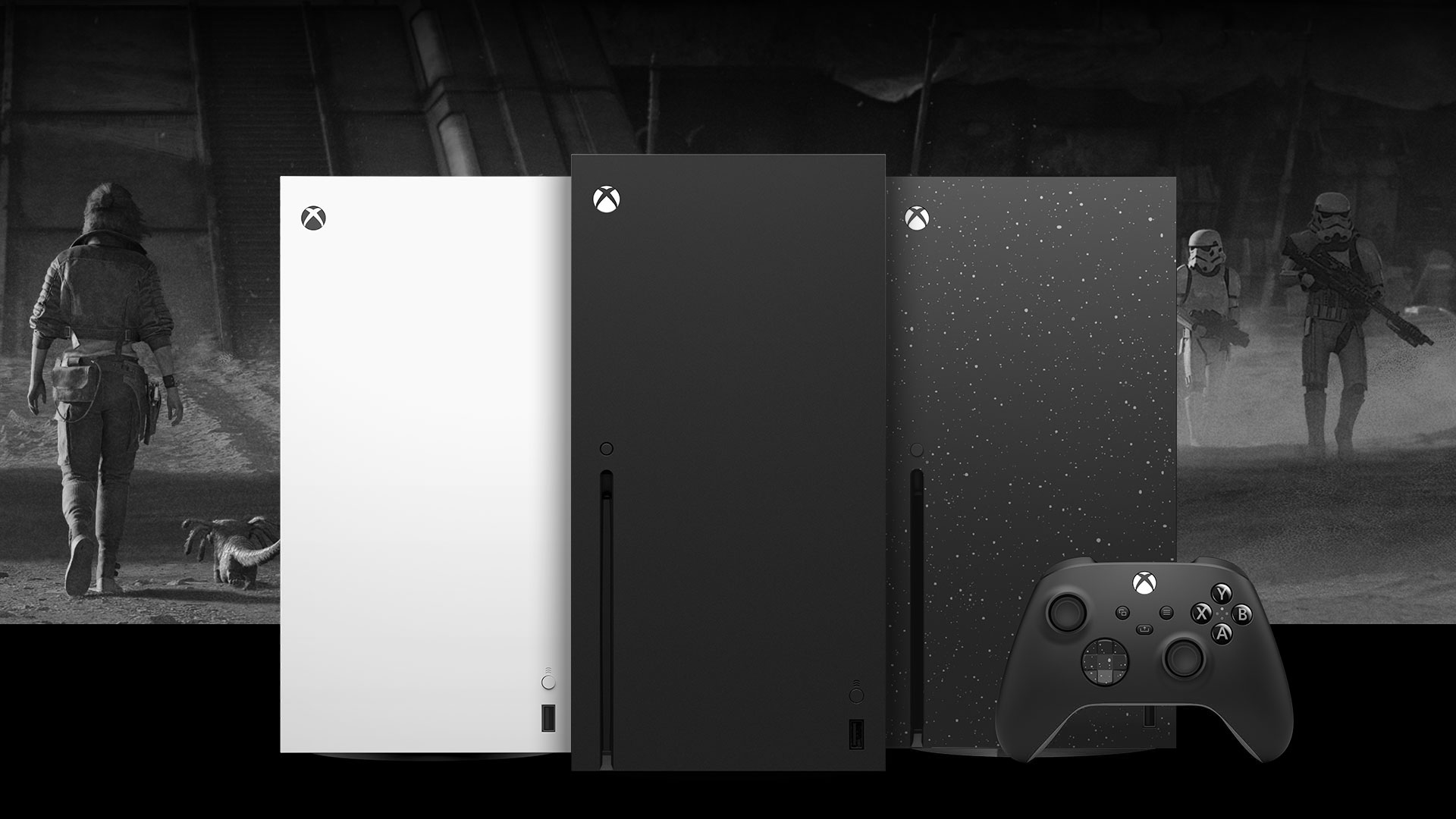
As the first movements of the next generation start to gain momentum, Microsoft doesn’t seem to be in a hurry to close the current era. According to a new report, Xbox Series will continue to receive support for a longer period than usual in a generational change, a decision directly linked to the direction the Xbox ecosystem is taking.
Far from opting for a sudden cut, the company appears to be preparing for a more prolonged coexistence between generations, especially with the arrival of future devices with higher prices and a increasingly diverse range of hardware.
Xbox Series X and S will have a longer lifespan
In a report published by Windows Central, Jez Corden claims that Microsoft expects Xbox Series to have a longer lifespan than usual. This decision is motivated by the expansion of the hardware ecosystem, which will include new devices with higher costs and complementary proposals to the traditional console model.
Corden notes that this strategy won’t only affect Xbox, as the industry as a whole tends to keep its platforms alive for longer. In recent generations, we’ve seen how previous systems continued to receive important releases, especially in service games, even when the hardware was starting to fall behind technically.
In the case of Xbox, this longevity has been reinforced by tools like Xbox Cloud Gaming, which has allowed older consoles to continue accessing demanding titles without relying directly on their power. To this day, Xbox Series X and Xbox Series S are still considered modern hardware, and everything suggests they will maintain their relevance for a long time, even with the arrival of new systems on the market.
This approach fits with Xbox’s current vision: less generational disruption and more continuity, betting on a flexible ecosystem where the player is not forced to make an immediate jump to continue enjoying important releases.


Founder and editor of SoloXboxOne and Generación Xbox. He is also one of the owners of the GX Group, Samsung Universe and the Reflotes forum. Adrian has reviewed over 200 games on the web and has an average score of 85 according to Opencritic. Among his expertise as a writer and analyst, he has interviewed Microsoft personalities and participated in private gaming events.
Related Post