

A new report points out that the series would have been internally paralyzed at Electronic Arts.
More stories in the category News
- The JD actor talks about the future of Gears: between Gears 6 and E-Day there is a clear change
- The creator of Resident Evil joins the authors of Stellar Blade: new stage with an ambitious AAA
- Warframe is now playable on Xbox Cloud Gaming with “Stream your own game
| Don't miss anything and follow us on Google News! |
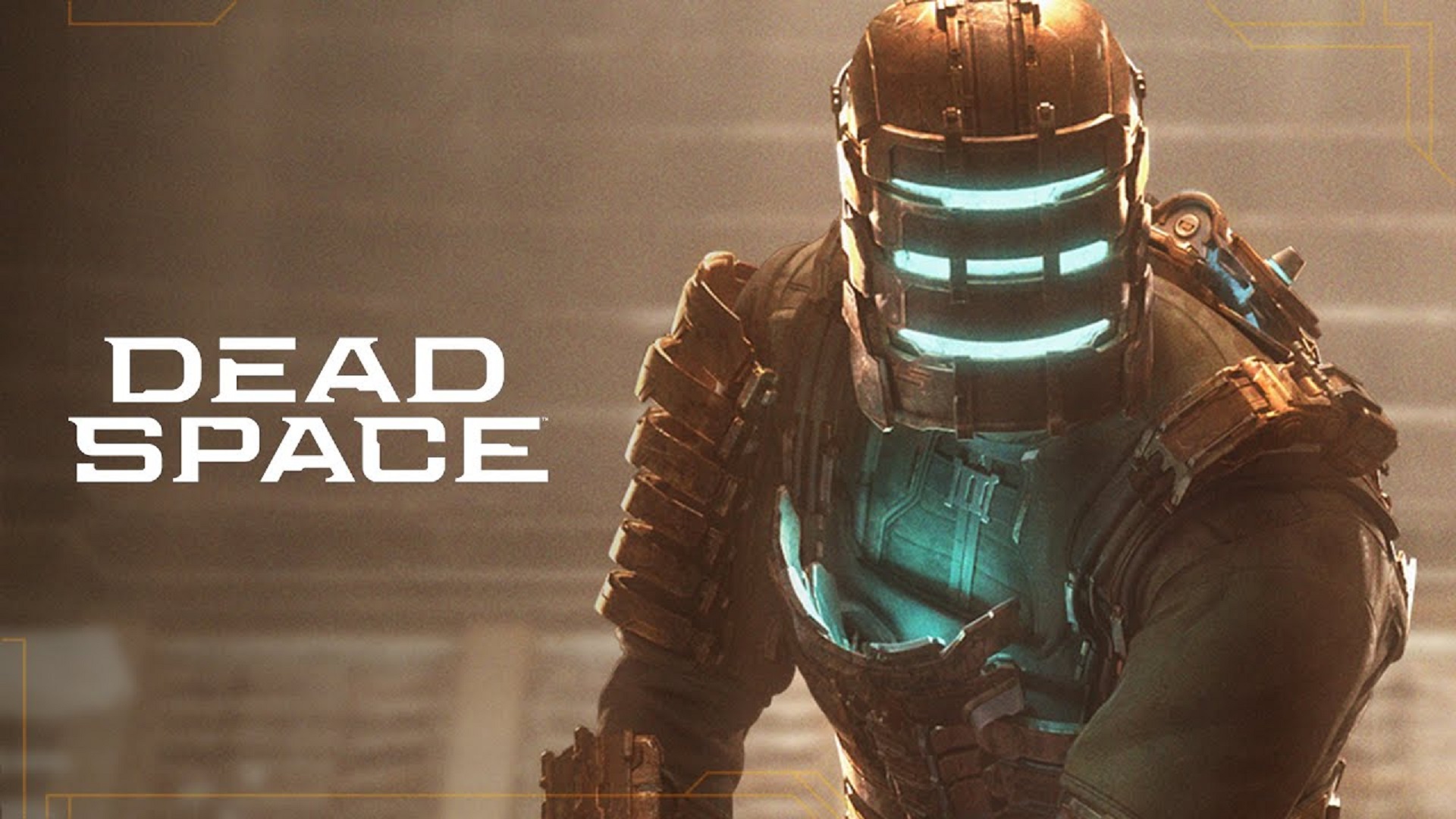
The situation surrounding one of the most beloved horror licenses has taken a dark turn. Despite the critical success of the remake and the good reception among players, various reports indicate that Electronic Arts has decided to halt any development related to the franchise. A move that, if confirmed, would return the saga to the same stalemate it experienced after its third installment.
The statements come from the Insider Gaming Weekly podcast, where co-producer Mike Shaw claimed to have received information directly from internal employees. According to his testimony, everything points to a complete freeze of the IP, with no short-term plans for reactivation. The uncertainty has reignited fears that the series will once again be left on the backburner in a context where EA seems to be prioritizing large-scale service bets.
Dead Space, between freezing and potential sale
The report also points to an even more intriguing scenario: several developers who passed through Motive Studio believe that EA would be willing to part with the license if a future acquisition by the Saudi Arabian public fund materializes. A speculation that fits with the internal reorganization that took place after the remake’s underwhelming sales, when key figures from its development were reassigned to projects like the next Battlefield installment.
During the podcast, Tom Henderson recalled that the series had already suffered a similar blockage in the past, when even Glen Schofield (its creator) was unable to move forward with a fourth installment. The current context is no more favorable: EA is focusing its resources on games with long-term projections and broader commercial goals, a strategy that has also impacted other internal developments, such as Respawn projects or the Black Panther game.


Lover of videogames, Xbox, Halo and Gears of War.
Related Post