

The authors of the classic saga value the commercial success and the modern approach of the franchise, although it was not their original vision.
More stories in the category News
- A Marathon developer asks Destiny 2 fans not to wish for the game’s failure
- 007 First Light confirms 60 FPS on Xbox Series X, but Series S will have a significant cut
- Forza Horizon 6 sweeps and already shatters the historical record of the saga
| Don't miss anything and follow us on Google News! |
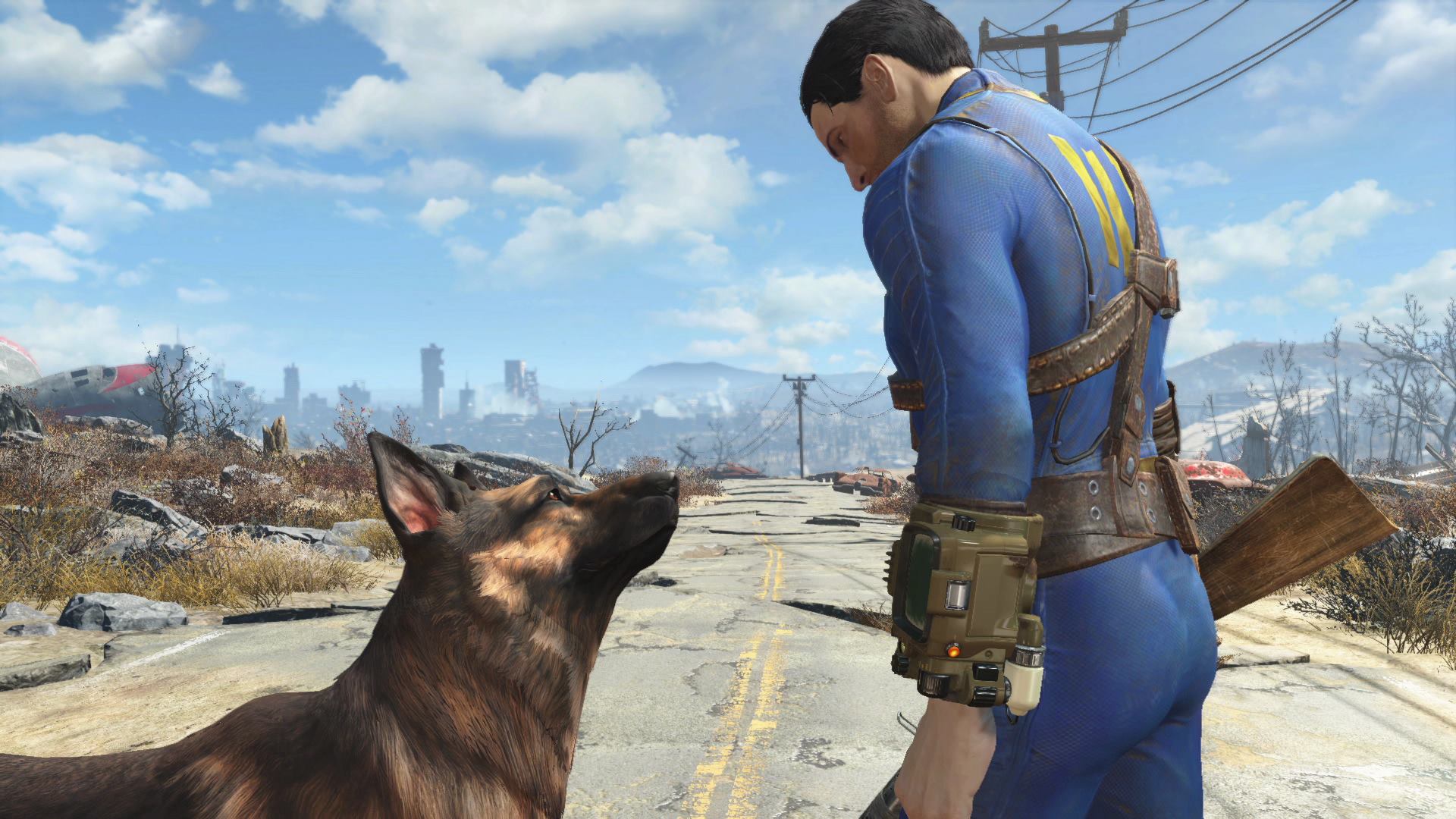
For years, the shift in Fallout from its origins as an isometric RPG to a first-person open-world saga has sparked debate among veteran fans. Now, some of the original Fallout developers have spoken openly about how they view the current state of the franchise under the Bethesda banner.
In a recent interview, key figures like Tim Cain, Leonard Boyarsky, and Brian Fargo have reflected on the series’ evolution and convey a common message: they would have made different decisions, but the numbers and public reception support what Bethesda has done.
The creators of Fallout appreciate Bethesda’s success, even if they don’t share the approach
Tim Cain, lead programmer on the original Fallout and currently associated with Obsidian Entertainment, acknowledges that the path chosen by Bethesda isn’t the one he would have taken, but admits it has worked. As he explains, sales demonstrate that the public has connected with offerings like Fallout 3 and Fallout 4, something he considers unquestionable. He even comments, in a lighthearted tone, that his shelf space is shared by memories of both classic and modern games.
Leonard Boyarsky, art director on the original Fallout, also expresses positivity towards Bethesda’s titles. He claims to have particularly enjoyed Fallout 3, which he sees as closer to the role-playing spirit of the early games, while Fallout 4 seemed to him like a step further towards simplifying RPG systems in favor of action and accessibility.
For his part, Brian Fargo, founder of inXile Entertainment, highlights that Bethesda has managed to capture the identity, tone, and atmosphere of the Fallout universe. In Fargo’s view, whether in the games or even the TV series, the focus has been on preserving the aesthetic and emotional essence of the post-apocalyptic world, even if creative liberties have been taken. And, in his opinion, that strategy has paid off.


Founder and editor of SoloXboxOne and Generación Xbox. He is also one of the owners of the GX Group, Samsung Universe and the Reflotes forum. Adrian has reviewed over 200 games on the web and has an average score of 85 according to Opencritic. Among his expertise as a writer and analyst, he has interviewed Microsoft personalities and participated in private gaming events.
Related Post