

Microsoft's strategy points to a wider ecosystem as current hardware loses weight.
More stories in the category Editorial
- The trick to having the new Xbox features before anyone else: this is how you can be part of Xbox Insider step by step
- The new Xbox boss doesn’t waste time: this is how the strategy has changed in a month
- What is Monster Hunter Stories? We tell you why Twisted Reflection is one of the most anticipated games
| Don't miss anything and follow us on Google News! |
The latest figures and movements from Microsoft are leaving a increasingly clear sensation among players: Xbox is already thinking more about what’s to come than the current generation. It’s not an immediate withdrawal, but a shift in priorities that’s starting to be noticed in the discourse, distribution, and global strategy of the brand.
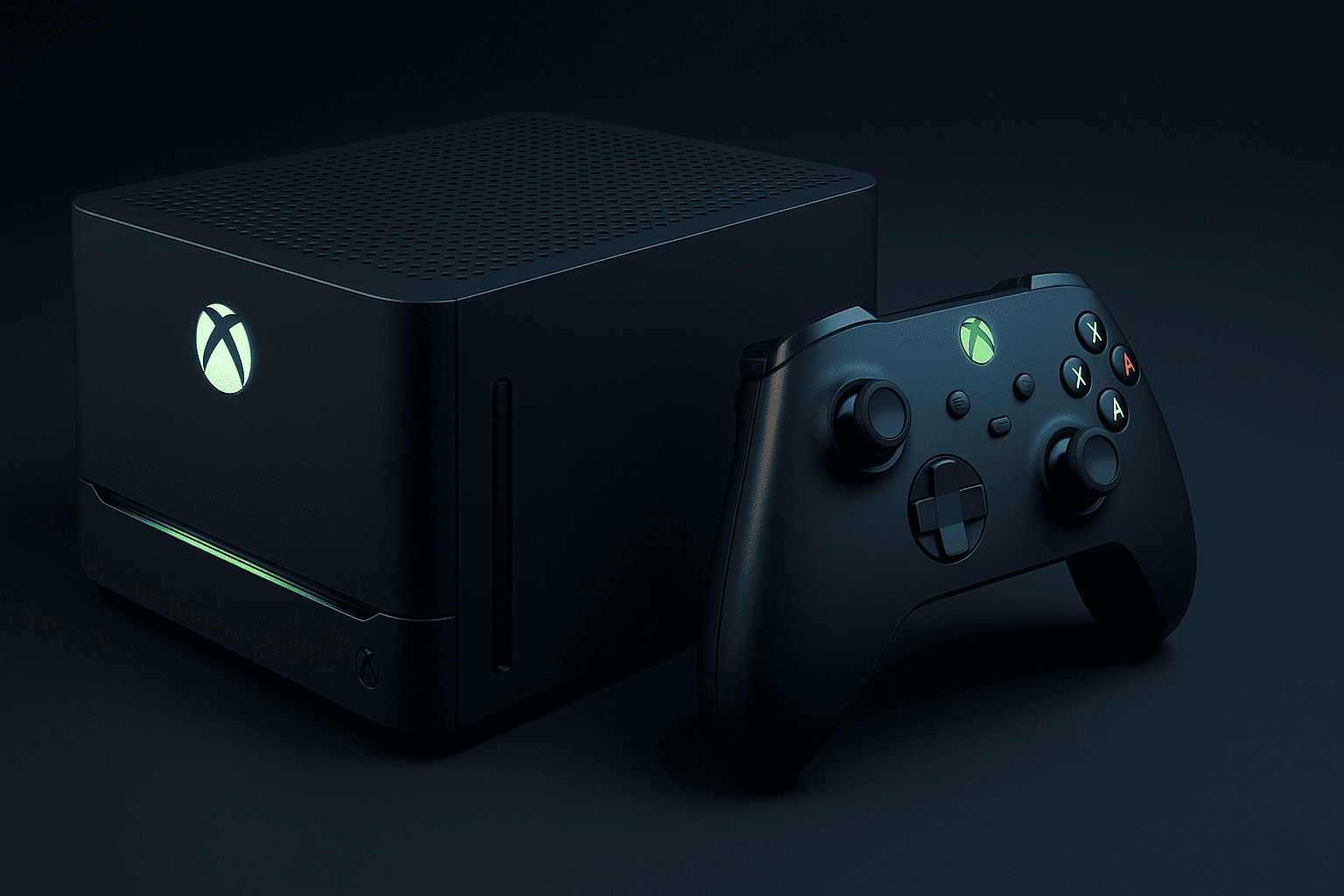
Series X and Series S remain fully functional platforms with a powerful catalog, but everything indicates that they are no longer the center of the long-term plan. Xbox is building something broader, more flexible, and designed to last beyond a specific console.
Xbox looks to the new generation while current hardware loses prominence
During the last quarters, hardware sales have been constantly falling. Far from seeming an internal surprise, many players interpret this situation as part of a controlled transition: Microsoft is no longer aggressively pushing current consoles because its vision goes beyond the classic model.
The focus has shifted towards Xbox as an ecosystem, not as a single device. Game Pass, cloud gaming, PC, and cross-compatibility are now the pillars on which the future is being built, while the Series generation fulfills its role without needing to expand further.
Xbox PC and Play Anywhere
It’s becoming increasingly evident that Xbox PC will be a central axis in the next stage. Whether on a traditional computer, a living room device with its own interface, or hardware developed with partners, the idea is clear: the player should access their library from any format without friction.
In this context, Xbox Play Anywhere stops being an added value and becomes a strategic base. The intention is that buying a game on Xbox means having it available throughout the ecosystem, regardless of where it’s played.
Main ideas repeated in the community about the future of Xbox
-
Xbox no longer revolves around selling traditional consoles
Many users take for granted that Series X and Series S are not the center of the medium-term plan and that Microsoft is not pushing their expansion like other brands. -
The real goal is to turn Xbox into a PC-like platform accessible from any device
It’s talked about as an experience that can be lived on a console, PC, or in the cloud, but with a common core focused on software, services, and digital store. -
The next generation would be an “Xbox PC” with a console interface
Most people accept the idea as long as:-
It’s fast
-
It’s only used with a controller
-
It doesn’t require touching Windows or complex configurations
-
-
The great fear is losing the classic comfort of a console
Many comments insist that the strength of a console is “plug and play”, and they fear that an Xbox too close to PC will break that simplicity. -
Price is a constant concern
There’s consensus that an Xbox with PC-like hardware:-
Can’t cost €1,500-2,000
-
Only makes sense if it maintains prices similar to a traditional console
-
-
Xbox Play Anywhere is seen as a transition, not the final destination
The community perceives that Play Anywhere is an intermediate step towards something broader, not the definitive solution. -
The Xbox store on PC is seen as a critical weak point
Many doubt that it can compete with Steam if:-
Major releases are missing
-
Performance and downloads continue to cause problems
-
There are no clear advantages to buying there
-
-
Current hardware will continue to decline, but it’s not seen as abandonment
Many users believe that Microsoft has already assumed this generation as “transitional” while preparing the next one. -
GTA 6 is not seen as the savior of Xbox
There’s skepticism about whether a single game can change the hardware trend, although it may cause some updates from Xbox One. -
There’s frustration with Microsoft’s communication
It’s repeated that:-
The change in direction hasn’t been well explained
-
There’s a sense of chaos and contradictory messages
-
This fuels negativity on social networks and channels
-
-
Many users are still satisfied with Xbox Series
Several comments highlight that:-
They’re still playing everything they want
-
Game Pass still has value
-
The problem isn’t the present, but the uncertainty of the future
-
-
The Xbox handheld fits better within this future vision
It’s perceived as a logical complement to an Xbox PC/Everywhere, and not as an isolated product.
The challenge: controlling the store and not losing relevance on PC
- One of the major challenges for Microsoft is strengthening the Xbox Store on PC. If major releases end up concentrating on Steam, the model loses strength, no matter how attractive the hardware or services proposal is.
- In order to attract publishers and ensure relevant releases within the Xbox ecosystem, it will be crucial before the generational leap. The new console (whatever its form) needs to arrive with solid support from day one.
Can GTA 6 save something… or is it too late? What the community thinks:
Some believe that GTA 6 could cause a punctual upsurge, especially among those still on Xbox One. Others are clear: that boost won’t change the general trend, and many players will opt for cheaper or more consolidated alternatives.
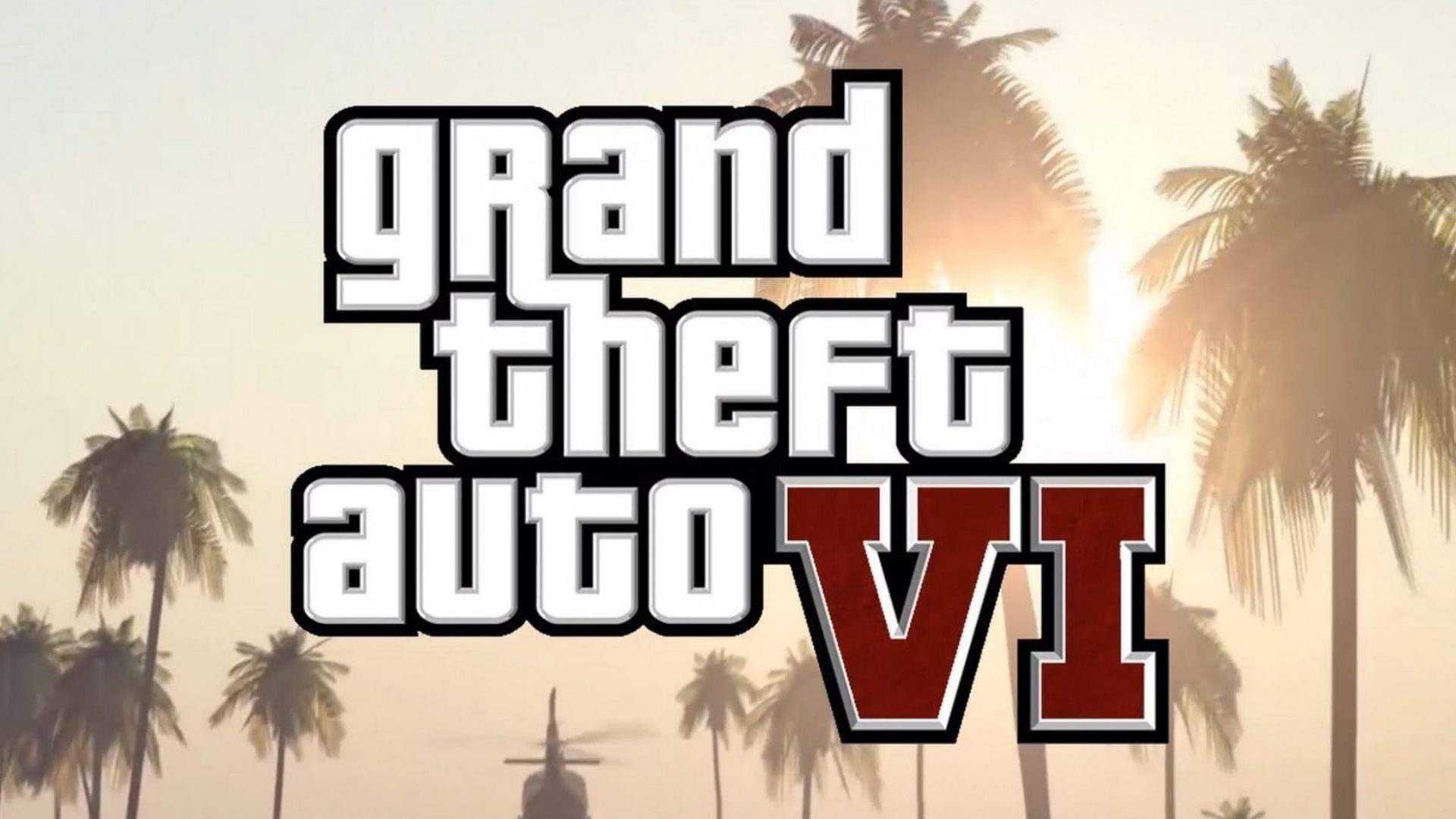
Meanwhile, the decline in content and services revenue is also explained by inevitable comparisons with exceptional years, such as the impact of Call of Duty: Black Ops 6. The problem isn’t just selling less, but managing a transition without a clear message, something that’s generating a chaotic and negative perception around the brand.
What does this mean for Xbox Series players?
In the short and medium term, nothing changes drastically. Series X remains a powerful machine, with access to the entire current and future catalog, and Game Pass maintains its value. But the context helps understand why Xbox is talking less about selling consoles and more about being everywhere.
The big question is no longer whether Xbox will launch new hardware (which is confirmed to happen), but how it will be and what experience it will offer. And that’s where Microsoft is playing a large part of the brand’s perception in the coming years.

Founder and editor of SoloXboxOne and Generación Xbox. He is also one of the owners of the GX Group, Samsung Universe and the Reflotes forum. Adrian has reviewed over 200 games on the web and has an average score of 85 according to Opencritic. Among his expertise as a writer and analyst, he has interviewed Microsoft personalities and participated in private gaming events.
Related Post