

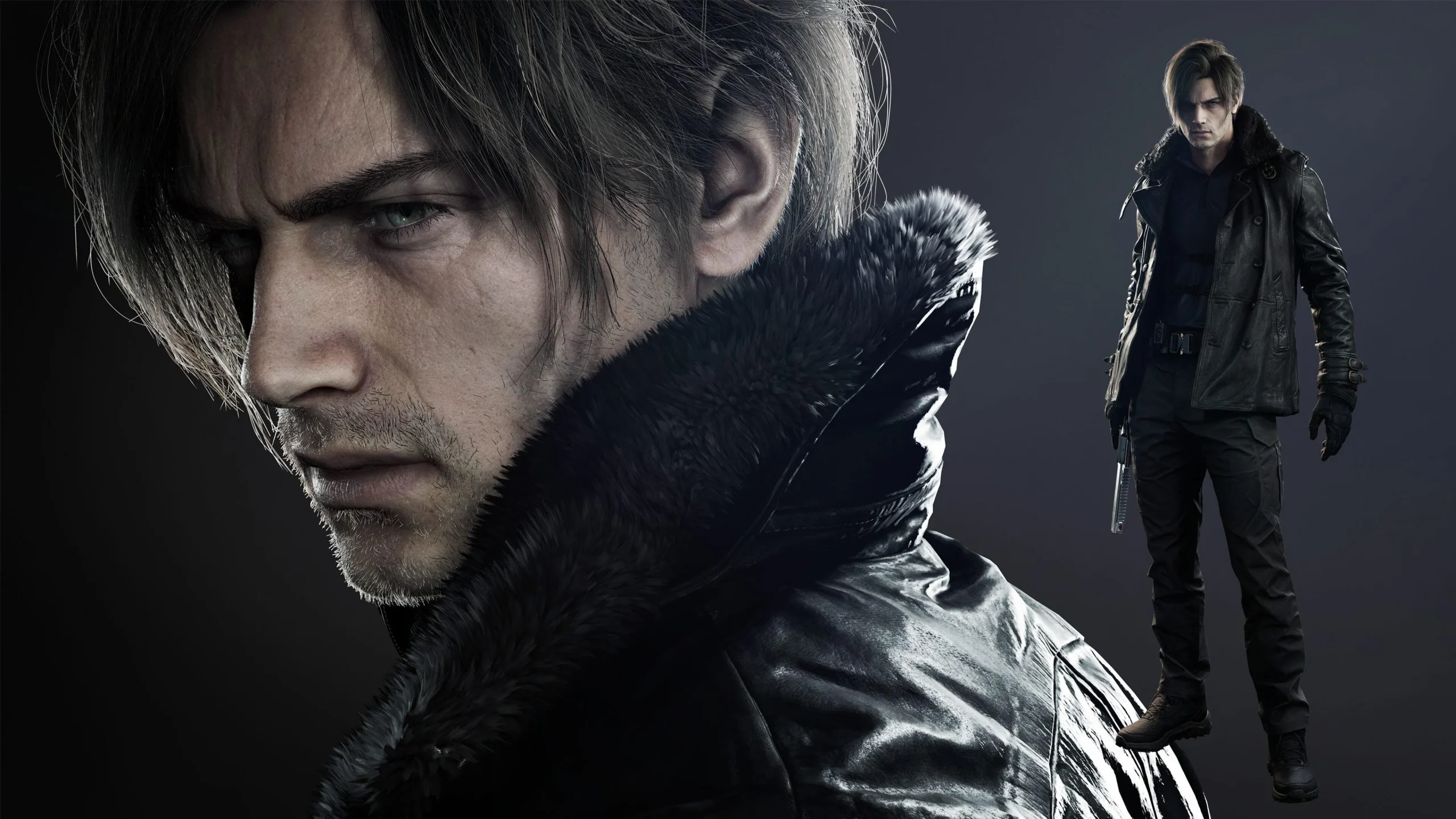

The new aspect of Leon is not casual and responds to a very specific internal decision.
More stories in the category News
- If you’re waiting for GTA 6, watch out for all the important dates arriving in June
- Fortnite gives away a very juicy reward just for logging in
- Fortnite confirms the Shattered event and there are already theories about the end of Chapter 7
| Don't miss anything and follow us on Google News! |
Leon S. Kennedy is once again one of the main protagonists of the Resident Evil universe, and in Resident Evil Requiem, his image has not gone unnoticed. Since its presentation, many players have pointed out that the character looks more mature, charismatic, and polished than ever, raising a clear question: why has Capcom put so much emphasis on his appearance?
Far from being just a simple technical improvement or a random aesthetic change, the Japanese studio has acknowledged that behind Leon’s design was a much more thoughtful process, with internal contributions that ultimately shaped the final result of the character.
The Capcom team directly influenced the design of Leon in Resident Evil Requiem
The game’s director, Koshi Nakanishi, has explained that Leon’s redesign was reviewed with special attention within the studio. Capcom wanted to show a more veteran Leon, but without losing his appeal, and to achieve this, they relied on the active opinion of part of the development team, especially the female staff of the studio.
- According to Nakanishi, the design went through multiple revisions, analyzing very specific details, from facial expressions to elements like neck wrinkles or the shape of the face. The goal was to find a credible balance between experience, wear, and presence, avoiding an excessively aged or caricatured appearance.
This process would also explain why some old leaks, which showed a very different Leon, do not reflect the final design of the game. Those versions would correspond to early stages of development, far from the definitive vision that Capcom has wanted to convey in Resident Evil Requiem, where the character returns to occupy a central place both in terms of gameplay and screen presence.


Lover of videogames, Xbox, Halo and Gears of War.
Related Post