

The debut of Highguard makes clear the technical differences between Xbox Series X and Series S.
More stories in the category News
- A Marathon developer asks Destiny 2 fans not to wish for the game’s failure
- 007 First Light confirms 60 FPS on Xbox Series X, but Series S will have a significant cut
- Forza Horizon 6 sweeps and already shatters the historical record of the saga
| Don't miss anything and follow us on Google News! |
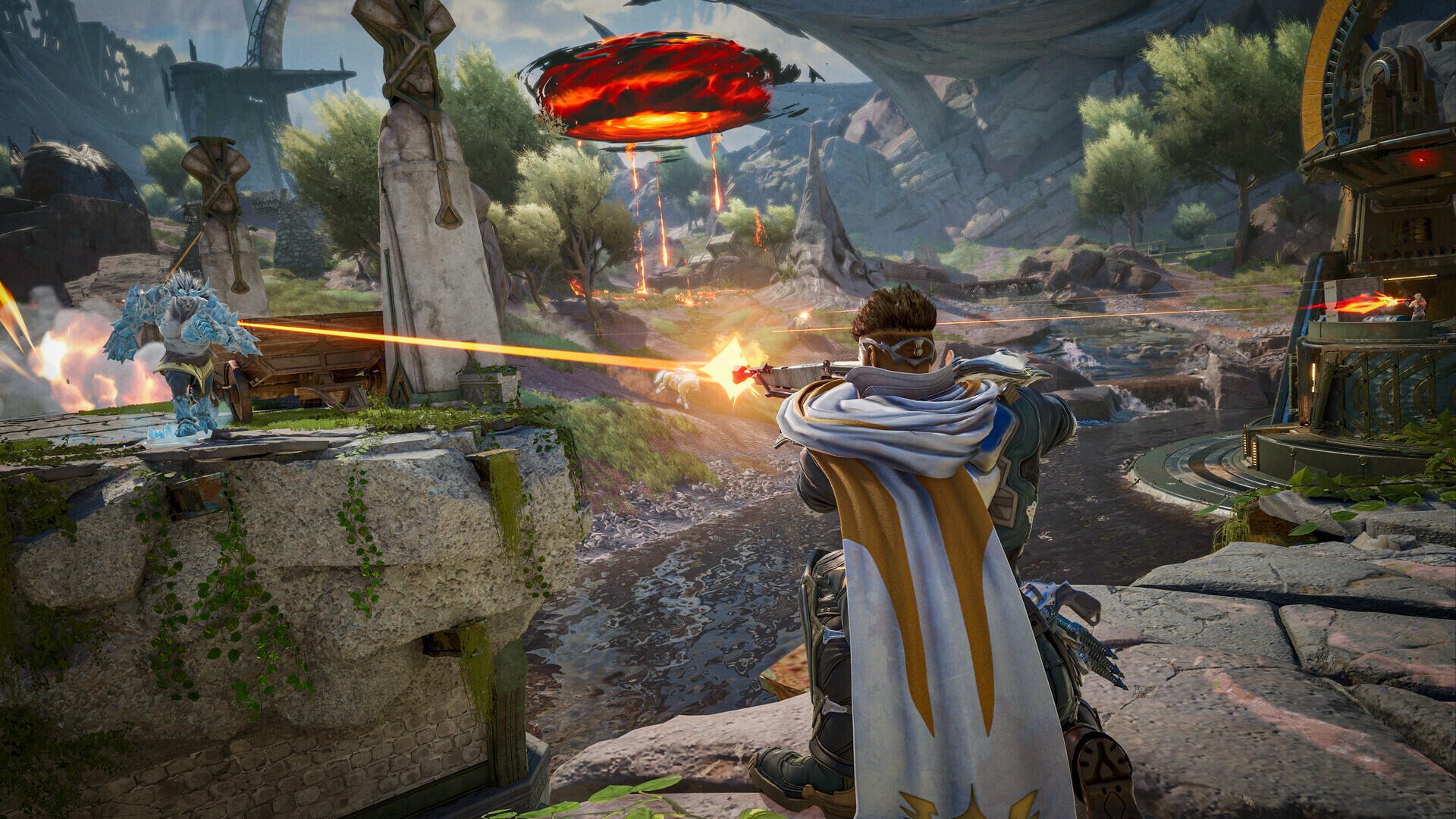
The release of a new game always serves as a testing ground to measure the real differences between Xbox Series X and Xbox Series S, and the free launch of Highguard has been no exception. The shooter developed by ex-members of teams linked to Titanfall and Apex Legends is now available, and the first technical comparisons are starting to paint a fairly clear picture.
Both consoles offer a stable gaming experience, but with visible differences in resolution and visual presentation. We’re not talking about serious problems or broken versions, but rather different adjustments designed for the hardware of each system.
Technical differences between Xbox Series X and Xbox Series S in Highguard
On Xbox Series X, the game runs at 60 stable FPS, with a native resolution of approximately 1108p and upscaled to 1440p. The performance is solid even in intense confrontations, although it’s noticeable that some textures and environmental elements don’t reach the level of detail expected from the more powerful hardware. There is no 120 FPS option in the game’s current state.
On the other hand, Xbox Series S takes a more conservative approach to visuals, with a native resolution close to 720p and output at 1080p. In exchange, it also maintains 60 constant FPS, offering a very similar sense of fluidity to Series X during gameplay. The graphical reduction is evident in open scenarios and more complex surfaces, but it doesn’t affect gameplay.
In this first state of the game, Highguard delivers on both consoles and makes it clear the usual approach: Series X prioritizes a more defined image, while Series S adjusts resolution to ensure stability. We’ll have to see if future updates refine these technical differences even further.


Lover of videogames, Xbox, Halo and Gears of War.
Related Post