

The company redefines its creative structure with specialized studios, total brand control and direct focus on players.
More stories in the category News
- A Marathon developer asks Destiny 2 fans not to wish for the game’s failure
- 007 First Light confirms 60 FPS on Xbox Series X, but Series S will have a significant cut
- Forza Horizon 6 sweeps and already shatters the historical record of the saga
| Don't miss anything and follow us on Google News! |
Ubisoft has detailed how its new development model looks after the recent internal restructuring. Far from being a simple organizational adjustment, the French company has opted for a profound change: five major Creative Houses, each focused on a specific type of experience, with creative, financial, and brand responsibility from start to finish.
The goal seems clear, to put the player at the center, to concentrate specialized talent and make faster and more efficient decisions, with teams responsible not only for development but also for the long-term commercial performance of each franchise.
Ubisoft’s new Creative Houses model
Each Creative House will function as a almost autonomous creative unit, organized around a specific genre and with its own leadership. These divisions will be responsible for the relationship with players, the development of essential experiences for their target audience, and constant communication with the community from the early stages of development.
General structure of the new model
| Principle | Description |
|---|---|
| Player-centric focus | Development guided by specific audiences and defined genres |
| Specialization | Concentration of expert talent in specific types of experiences |
| Dedicated leadership | Management teams with long-term incentives |
| Total responsibility | Creative, brand, and financial control |
| Long-term vision | Sustainable growth and generation of recurring revenue |
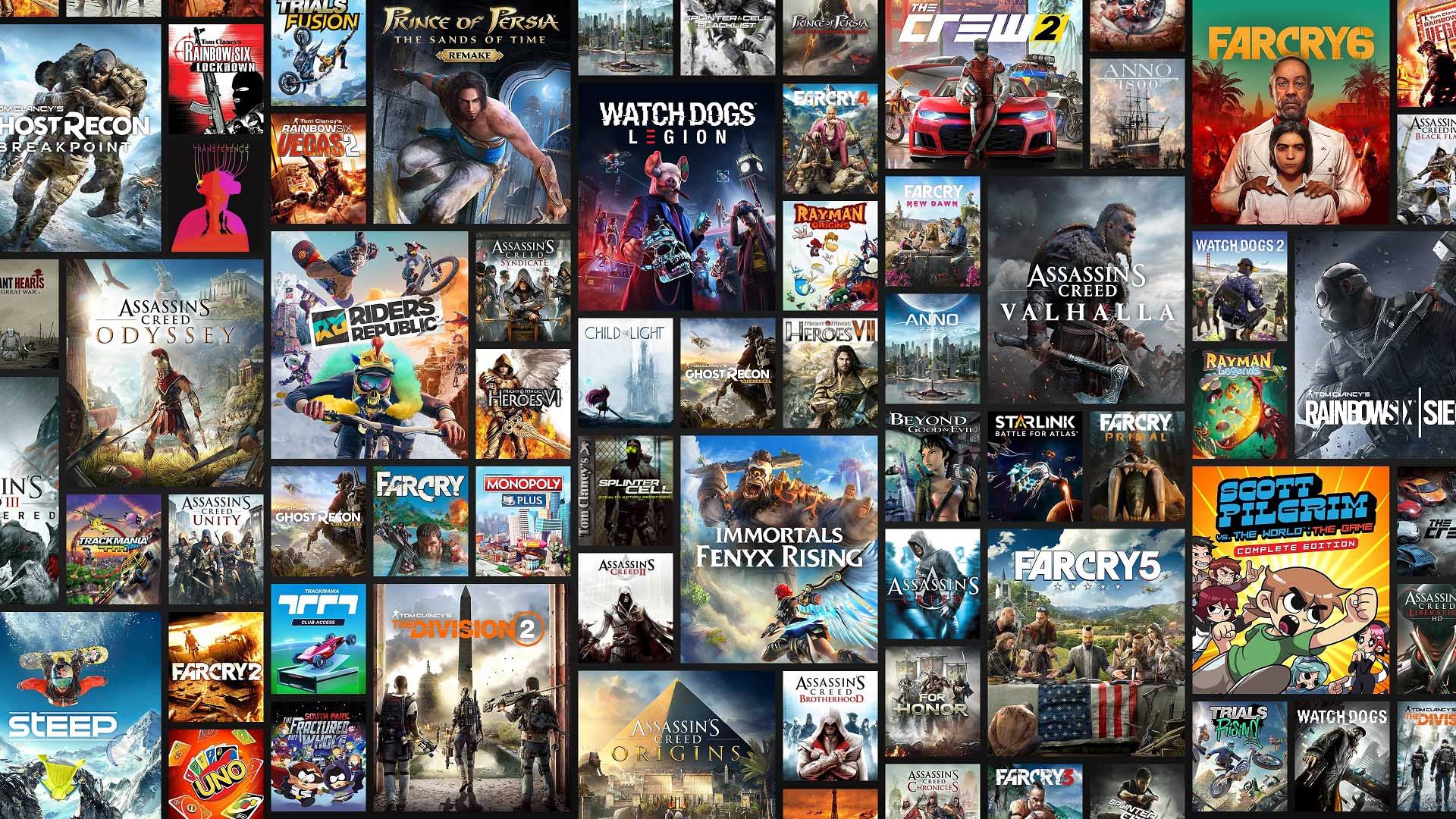
The five Creative Houses and their franchises
CH1 – Vantage Studios
- Scaling up Ubisoft’s major brands to become annual multimillion-dollar franchises
| Franchises |
|---|
| Assassin’s Creed |
| Far Cry |
| Rainbow Six |
This group will focus on the most powerful and established IPs, with the goal of expanding them, maintaining regular releases, and strengthening their weight as economic pillars of the company.
CH2 – Competitive and cooperative shooters
- Experiences centered on tactical action and team play
| Franchises |
|---|
| The Division |
| Ghost Recon |
| Splinter Cell |
Here, sagas with the greatest potential for multiplayer, cooperation, and competition are grouped, with a clear technical and systemic focus.
CH3 – Selected Live experiences
- Games as a service with strong identity and active communities
| Franchises |
|---|
| For Honor |
| The Crew |
| Riders Republic |
| Brawlhalla |
| Skull & Bones |
This division will manage live titles, prioritizing quality, personality, and sustained engagement over mass production.
CH4 – Fantasy worlds and immersive universes
- Adventures with strong creative weight and proprietary universes
| Franchises |
|---|
| Anno |
| Might & Magic |
| Rayman |
| Prince of Persia |
| Beyond Good & Evil |
A Creative House oriented towards more authorial experiences, fantasy worlds, and historical sagas from Ubisoft’s catalog.
CH5 – Casual and family games
- Regaining presence in the mass market and multi-platform
| Franchises |
|---|
| Just Dance |
| Idle Miner Tycoon |
| Ketchapp |
| Hungry Shark |
| Invincible: Guarding the Globe |
| Uno |
| Hasbro |
This group seeks to strengthen Ubisoft’s position in accessible, mobile, and family games, with high reach and long life cycles.
New IPs and total control of development
In addition to reorganizing its existing franchises, Ubisoft has confirmed that four new IPs are in development, including March of Giants. The company will communicate later which Creative House each one will belong to.
Each Creative House will have total control of the process: from creative development to marketing, publishing, and sales. They will also be directly responsible for financial results (P&L) and cash generation, bringing decision-making closer to where real value is created.
This model also improves visibility of development calendars, milestones, and risks, facilitating earlier adjustments and better-informed decisions throughout the production cycle.
With this restructuring, Ubisoft completely redefines how its games are conceived, developed, and managed, betting on less dispersion, more specialization, and a more direct and constant relationship with its communities.


Lover of videogames, Xbox, Halo and Gears of War.
Related Post