

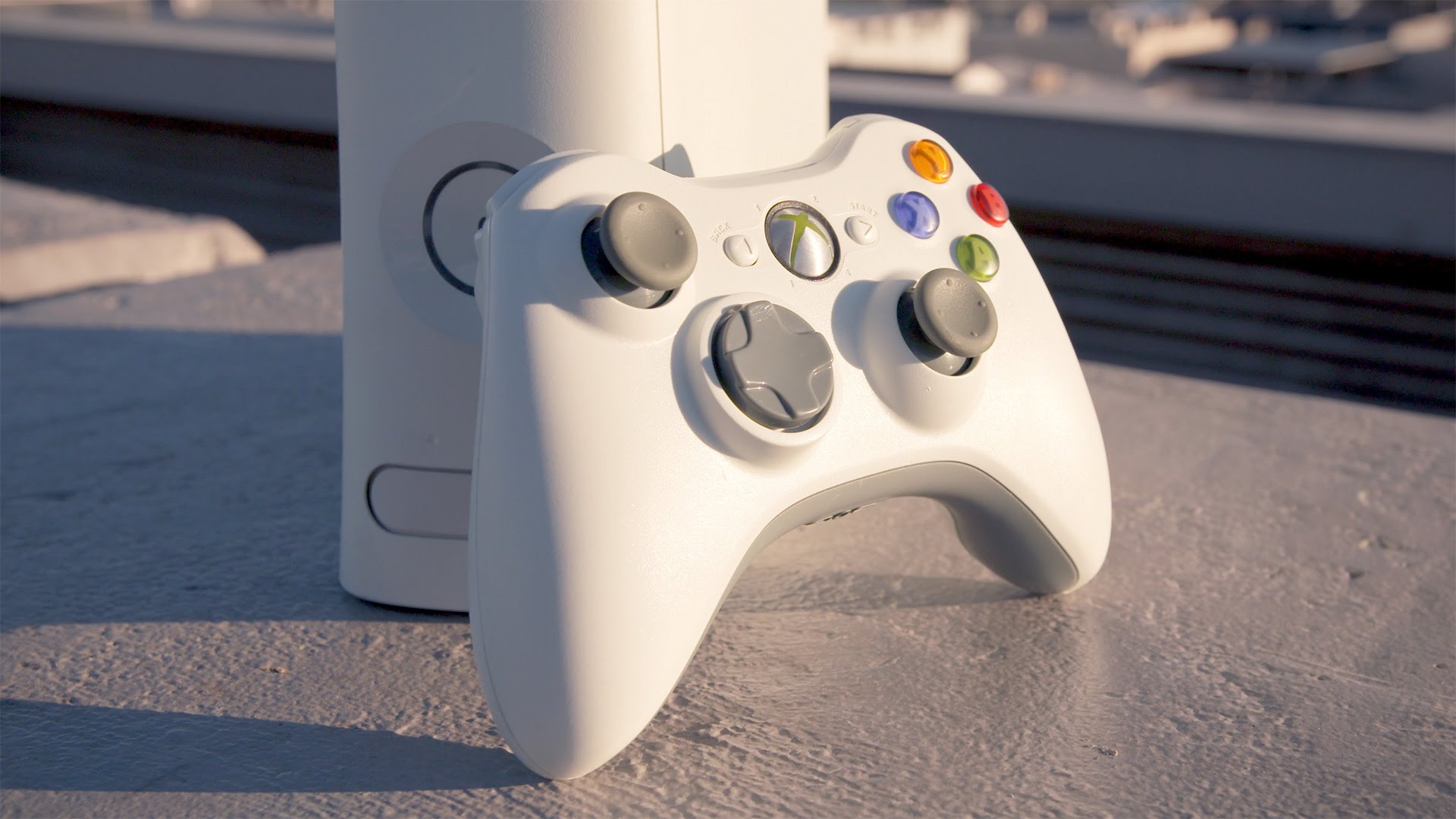

The former executive explains that Xbox 360 was designed to compete for the living room against Sony's multimedia ecosystem.
More stories in the category News
- Halloween already has a date for Xbox and horror fans will be able to face Michael Myers this September
- Battlefield 6 will be free from June 9 on Xbox, PS5 and PC
- Hitman Classic Trilogy Remastered announced for Xbox Series
| Don't miss anything and follow us on Google News! |
The story of Xbox 360 (in my opinion, the best console in history) is filled with strategic decisions that marked a before and after for Microsoft. And now, Peter Moore (one of the key figures during that era) has explained in an interview collected by Eurogamer how the console was really born and why its design and focus went far beyond video games.
Moore recalls that after meeting with Steve Ballmer in 2003, Microsoft was clear that it needed to make a strong entry into the living room. The situation at the time was very different: Sony dominated with TVs, Blu-ray players, music devices, and an ecosystem that turned the living room into a “PlayStation territory”. For Bill Gates and his team, the risk was evident: that Microsoft would be relegated to offices and desks as a simple productivity company.
Xbox 360 had to be an “entertainment hub”, not just a console
According to Moore, the original Xbox was a first step, a warning shot. But the 360 had to be a complete platform that fit naturally into the living room:
-
Designed as an elegant device, intended to stand out next to the TV.
-
Ready to work both vertically and horizontally.
-
Able to act as a multimedia center, not just a console for “inserting a disc and playing”.
Moore insists that aesthetics were just as important as power. Xbox 360 had to look like a high-end home electronics device, not just hardware exclusive to gamers. Microsoft’s idea was to compete directly for that space that Sony already occupied thanks to its presence in the audiovisual market.
The result was a console that defined a generation, consolidated Xbox as a global brand, and opened the door to digital services that are now part of Microsoft’s identity in the sector.


Founder and editor of SoloXboxOne and Generación Xbox. He is also one of the owners of the GX Group, Samsung Universe and the Reflotes forum. Adrian has reviewed over 200 games on the web and has an average score of 85 according to Opencritic. Among his expertise as a writer and analyst, he has interviewed Microsoft personalities and participated in private gaming events.
Related Post